review us
follow us
like us

What to Do About Toe Cramps

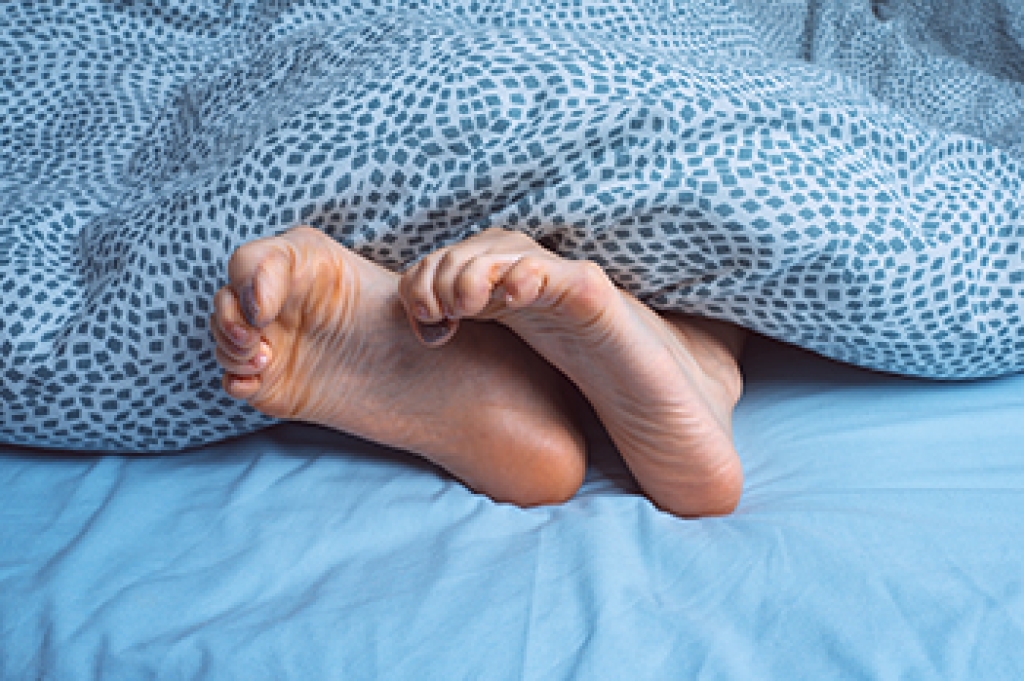
Toe cramps can be painful as well as extremely annoying, especially when they wake you out of a sound sleep. Most cases of toe cramps are believed to be the result of overuse. Common culprits include walking too long, working out too much, and wearing shoes that force your feet to flex too much. Other causes of toe cramps include dehydration, along with consuming too much salt. Toe cramps also may be the result of deficiencies in such minerals as potassium, magnesium, and calcium. In addition, increased age, high anxiety, and other underlying medical conditions have been known to cause toe cramps. If you have toe cramps, it is suggested that you massage the area while trying to move the toes as much as you can. Also, applying a heating pad to the area for about 10 minutes can help. Be sure to wear shoes that fit properly and don’t squeeze the toes. Avoid sandals and flip-flops that cause the toes to flex when walking. Stretch your toes frequently and massage them while resting. For more information on how to deal with toe cramping, please consult a podiatrist.

Toe pain can disrupt your daily activities. If you have any concerns, contact Joseph D. Ruffo, DPM, PC of New York. Our doctor can provide the care you need to keep you pain-free and on your feet.

What Causes Toe Pain?

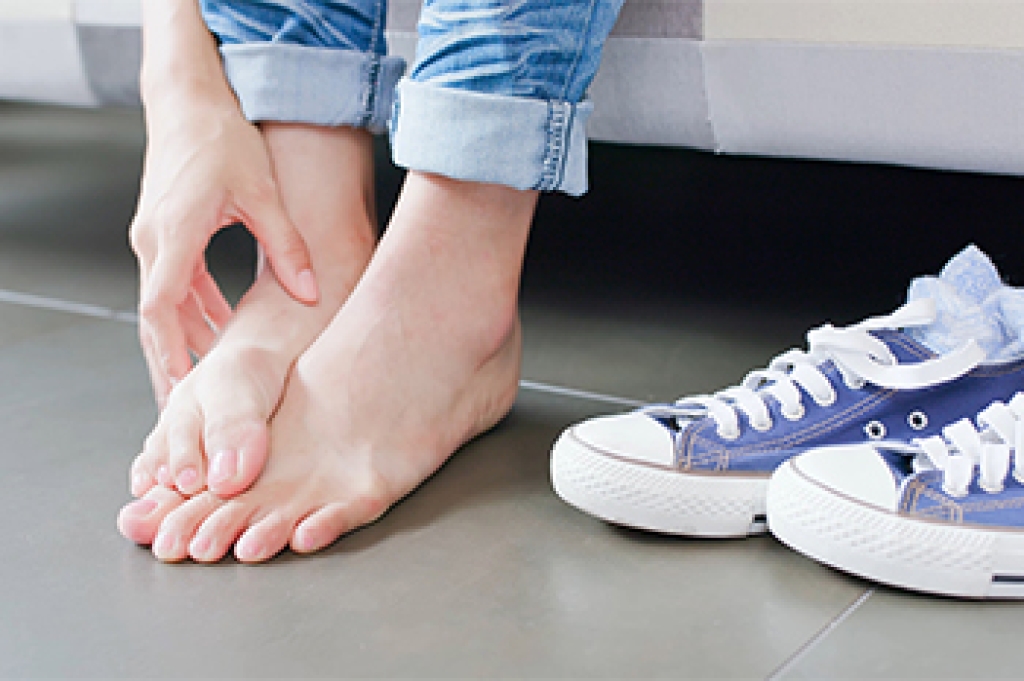
Most severe toe pain is caused due to a sports injury, trauma from dropping something heavy on the toe, or bumping into something rigid. Other problems can develop over time for various reasons.

Toe pain can be caused by one or more ailments. The most common include:

  • Trauma
  • Sports injury
  • Wearing shoes that are too tight
  • Arthritis
  • Gout
  • Corns and calluses
  • Hammertoe
  • Bunions
  • Blisters
  • Ingrown toenails
  • Sprains
  • Fractures (broken bones)
  • Dislocations

When to See a Podiatrist

  • Severe pain
  • Persistent pain that lasts more than a week
  • Signs of infection
  • Continued swelling
  • Pain that prevents walking

Diagnosis

In many cases the cause of toe pain is obvious, but in others, a podiatrist may want to use more advanced methods to determine the problem. These can range from simple visual inspections and sensation tests to X-rays and MRI scans. Prior medical history, family medical history, and any recent physical traumatic events will all be taken into consideration for a proper diagnosis.

Treatment

Treatments for toe pain and injuries vary and may include shoe inserts, padding, taping, medicines, injections, and in some cases, surgery. If you believe that you have broken a toe, please see a podiatrist as soon as possible.

If you have any questions please contact one of our offices located in Sea Cliff and Babylon, NY . We offer the newest diagnostic and treatment technologies for all your foot and ankle needs.
Read more about Toe Pain

Who Does Sever's Disease Affect?

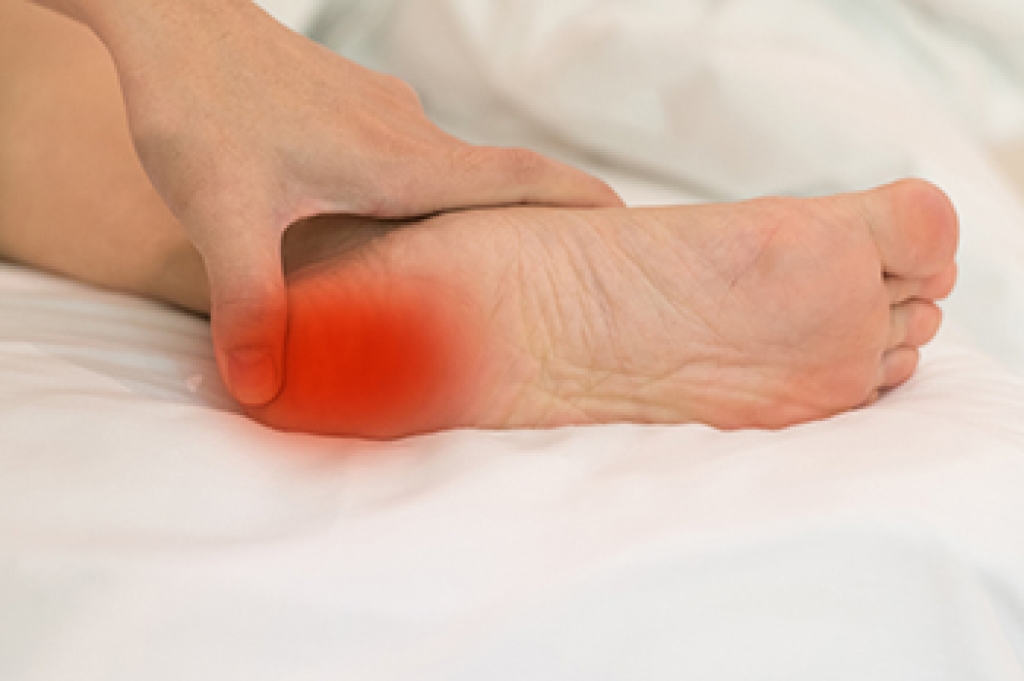
The medical name for the foot condition known as Sever’s disease is called calcaneal apophysitis. It can be a common ailment among physically active children and young teenagers, and it affects the growth plate in the heel. It happens because of changes that occur where the Achilles tendon attaches to the bone. This tendon is located in the lower half of the calf and overuse of the heel may cause pain while the cartilage changes to bone. Symptoms that often accompany this condition can include heel pain during physical activity and there may be a tendency to limp or tiptoe. Treatment often begins with temporarily stopping the activity that caused the condition and limiting the amount of weight that is put on the foot. It may be beneficial to perform specific stretches that can strengthen the entire foot and this can help accelerate the recovery time. If you notice your child is limping, please consult with a podiatrist who can properly diagnose Sever's disease and offer the correct treatment options.

Sever's disease often occurs in children and teens. If your child is experiencing foot or ankle pain, see Joseph D. Ruffo, DPM, PC from New York. Our doctor can treat your child’s foot and ankle needs.

Sever’s Disease

Sever’s disease is also known as calcaneal apophysitis, which is a medical condition that causes heel pain I none or both feet. The disease is known to affect children between the ages of 8 and 14.

Sever’s disease occurs when part of the child’s heel known as the growth plate (calcaneal epiphysis) is attached to the Achilles tendon. This area can suffer injury when the muscles and tendons of the growing foot do not keep pace with bone growth. Therefore, the constant pain which one experiences at the back of the heel will make the child unable to put any weight on the heel. The child is then forced to walk on their toes.

Symptoms

Acute pain – Pain associated with Sever’s disease is usually felt in the heel when the child engages in physical activity such as walking, jumping and or running.

Highly active – Children who are very active are among the most susceptible in experiencing Sever’s disease, because of the stress and tension placed on their feet.

If you have any questions, please feel free to contact one of our offices located in Sea Cliff and Babylon, NY . We offer the newest diagnostic and treatment technologies for all your foot care needs.

Read more about Sever's Disease

Three Types of Athlete’s Foot

A rash that develops on the foot may be athlete’s foot. It is an uncomfortable condition that is found between the toes and on the bottom of the foot, and severe itching is a common symptom. Additionally, the skin may turn red, and small blisters can be seen. Athlete’s foot is caused by a fungus that lives in warm environments, such as shower room floors and public swimming pools. It can enter the body through small cracks in the skin, and it is suggested to wear appropriate shoes while in these areas. These can consist of flip-flops or water shoes, and walking barefoot is frowned upon. There are three categories of athlete’s foot which can slightly differ. Peeling or cracked skin that is found between the fourth and fifth toes may indicate a toe web infection has developed. A moccasin-type infection may start with a sore foot, then followed by the skin becoming thick. Blisters that are on the sole of the foot may be the beginning of a vesicular infection and may travel to other parts of the foot. If you are afflicted with any type of athlete's foot, please consult with a podiatrist who can prescribe the necessary medication for complete healing.

Athlete’s foot is an inconvenient condition that can be easily reduced with the proper treatment. If you have any concerns about your feet and ankles, contact Joseph D. Ruffo, DPM, PC from New York.  Our doctor will treat your foot and ankle needs.

Athlete’s Foot: The Sole Story

Athlete's foot, also known as tinea pedis, can be an extremely contagious foot infection. It is commonly contracted in public changing areas and bathrooms, dormitory style living quarters, around locker rooms and public swimming pools, or anywhere your feet often come into contact with other people.

Solutions to Combat Athlete’s Foot

  • Hydrate your feet by using lotion
  • Exfoliate
  • Buff off nails
  • Use of anti-fungal products
  • Examine your feet and visit your doctor if any suspicious blisters or cuts develop

Athlete’s foot can cause many irritating symptoms such as dry and flaking skin, itching, and redness. Some more severe symptoms can include bleeding and cracked skin, intense itching and burning, and even pain when walking. In the worst cases, Athlete’s foot can cause blistering as well. Speak to your podiatrist for a better understanding of the different causes of Athlete’s foot, as well as help in determining which treatment options are best for you.

If you have any questions please feel free to contact one of our offices located in Sea Cliff and Babylon, NY . We offer the newest diagnostic and treatment technologies for all your foot and ankle needs.

Read more about Athlete's Foot

Wounds That Don't Heal Need to Be Checked

Your feet are covered most of the day. If you're diabetic, periodic screening is important for good health. Numbness is often a sign of diabetic foot and can mask a sore or wound.

Signs of Peripheral Artery Disease

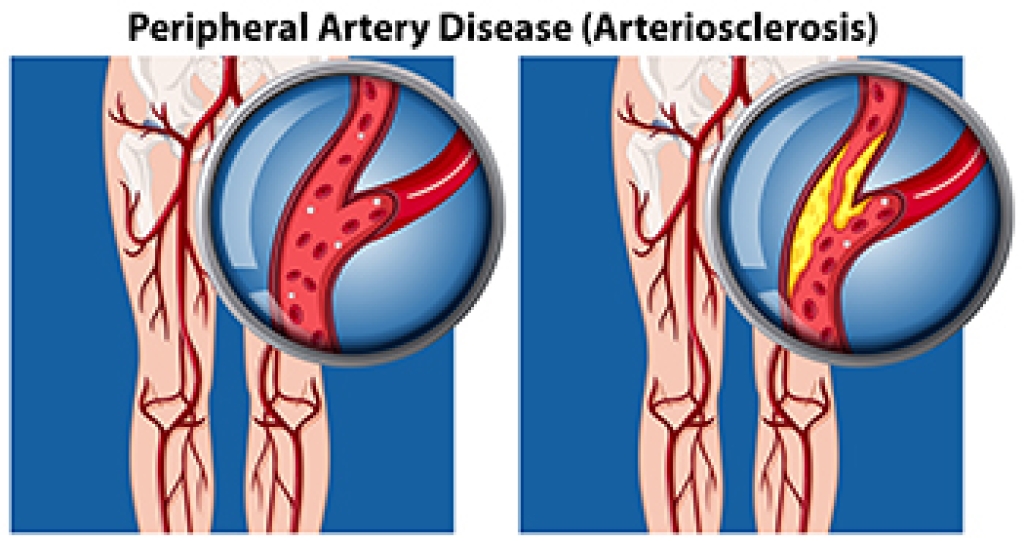
Peripheral artery disease, PAD, is a circulatory condition that affects the lower limbs and feet, among other extremities. It is the result of a buildup of fat and plaque in the artery walls that restricts blood flow. Signs that you may have peripheral artery disease include pain, numbness, and a feeling of coldness. In addition, if you have PAD, you may notice that minor wounds on the ankle or foot take an unusually long time to heal. You may be more at risk of having PAD if you are a diabetic, have high blood pressure or high cholesterol, and if you are a smoker. If left untreated, PAD can cause serious health problems, including gangrene and, in extreme cases, the loss of a limb. A podiatrist can examine your feet and ankles to determine if peripheral artery disease is the cause of your symptoms. Tests may include checking the pulse in the feet, as well as taking CT or ultrasound scans. For more information about peripheral artery disease in the feet, please contact a podiatrist.

Peripheral artery disease can pose a serious risk to your health. It can increase the risk of stroke and heart attack. If you have symptoms of peripheral artery disease, consult with Joseph D. Ruffo, DPM, PC from New York. Our doctor will assess your condition and provide you with quality foot and ankle treatment.

Peripheral artery disease (PAD) is when arteries are constricted due to plaque (fatty deposits) build-up. This results in less blood flow to the legs and other extremities. The main cause of PAD is atherosclerosis, in which plaque builds up in the arteries.

Symptoms

Symptoms of PAD include:

  • Claudication (leg pain from walking)
  • Numbness in legs
  • Decrease in growth of leg hair and toenails
  • Paleness of the skin
  • Erectile dysfunction
  • Sores and wounds on legs and feet that won’t heal
  • Coldness in one leg

It is important to note that a majority of individuals never show any symptoms of PAD.

Diagnosis

While PAD occurs in the legs and arteries, Podiatrists can diagnose PAD. Podiatrists utilize a test called an ankle-brachial index (ABI). An ABI test compares blood pressure in your arm to you ankle to see if any abnormality occurs. Ultrasound and imaging devices may also be used.

Treatment

Fortunately, lifestyle changes such as maintaining a healthy diet, exercising, managing cholesterol and blood sugar levels, and quitting smoking, can all treat PAD. Medications that prevent clots from occurring can be prescribed. Finally, in some cases, surgery may be recommended.

If you have any questions, please feel free to contact one of our offices located in Sea Cliff and Babylon, NY . We offer the newest diagnostic and treatment technologies for all your foot care needs.

Read more about Peripheral Artery Disease
Connect with us