review us
follow us
like us

Dealing With the Bony Outgrowths Known as Heel Spurs

Heel spurs are bony growths that form on the underside or back of the heel bone and are often linked to ongoing strain on the foot. They may not always be visible, but sometimes cause swelling or redness around the heel. Many people feel sharp or stabbing pain with the first steps in the morning, followed by aching or soreness as the day continues. Discomfort can also occur after long periods of standing or walking. Causes include repetitive stress, plantar fascia tension, obesity, and high impact activities. A podiatrist can help from the start by evaluating symptoms, examining foot structure, and using imaging to confirm the diagnosis. Early treatment may include pain and inflammation management, stretching programs, and custom orthotics. Care can then progress into activity modification, and advanced treatments when needed to reduce strain and improve function. If you have heel pain, it is suggested that you make an appointment with a podiatrist.

Heel spurs can be incredibly painful and sometimes may make you unable to participate in physical activities. To get medical care for your heel spurs, contact Joseph D. Ruffo, DPM, PC from New York. Our doctor will do everything possible to treat your condition.

Heels Spurs

Heel spurs are formed by calcium deposits on the back of the foot where the heel is. This can also be caused by small fragments of bone breaking off one section of the foot, attaching onto the back of the foot. Heel spurs can also be bone growth on the back of the foot and may grow in the direction of the arch of the foot.

Older individuals usually suffer from heel spurs and pain sometimes intensifies with age. One of the main condition's spurs are related to is plantar fasciitis.

Pain

The pain associated with spurs is often because of weight placed on the feet. When someone is walking, their entire weight is concentrated on the feet. Bone spurs then have the tendency to affect other bones and tissues around the foot. As the pain continues, the feet will become tender and sensitive over time.

Treatments

There are many ways to treat heel spurs. If one is suffering from heel spurs in conjunction with pain, there are several methods for healing. Medication, surgery, and herbal care are some options.

If you have any questions, please feel free to contact one of our offices located in Sea Cliff and Babylon, NY . We offer the newest diagnostic and treatment technologies for all your foot care needs.
Read more about Heel Spurs

Understanding Sesamoiditis and Its Impact on the Forefoot

Sesamoiditis is a painful condition that affects the small sesamoid bones located beneath the big toe joint. These tiny bones act like pulleys, helping the tendons function smoothly during activities such as walking, running, and pushing off the ground. When the surrounding tissues become inflamed from overuse, repetitive impact, wearing high heeled shoes, or increased athletic activity, pain develops under the big toe and can make every step uncomfortable. The discomfort often worsens during weightbearing activities and may be accompanied by swelling or tenderness in the ball of the foot. A podiatrist can diagnose sesamoiditis through a physical exam and imaging, then recommend treatments that reduce pressure on the area. Care may include activity modification, offloading pads, custom orthotics, or supportive footwear. In more persistent cases, immobilization or other targeted therapies may be necessary. If you have pain under your big toe, it is suggested that you schedule an appointment with a podiatrist for a proper diagnosis and appropriate treatment.

Sesamoiditis is an unpleasant foot condition characterized by pain in the balls of the feet. If you think you’re struggling with sesamoiditis, contact Joseph D. Ruffo, DPM, PC of New York. Our doctor will treat your condition thoroughly and effectively.

Sesamoiditis

Sesamoiditis is a condition of the foot that affects the ball of the foot. It is more common in younger people than it is in older people. It can also occur with people who have begun a new exercise program, since their bodies are adjusting to the new physical regimen. Pain may also be caused by the inflammation of tendons surrounding the bones. It is important to seek treatment in its early stages because if you ignore the pain, this condition can lead to more serious problems such as severe irritation and bone fractures.

Causes of Sesamoiditis

  • Sudden increase in activity
  • Increase in physically strenuous movement without a proper warm up or build up
  • Foot structure: those who have smaller, bonier feet or those with a high arch may be more susceptible

Treatment for sesamoiditis is non-invasive and simple. Doctors may recommend a strict rest period where the patient forgoes most physical activity. This will help give the patient time to heal their feet through limited activity. For serious cases, it is best to speak with your doctor to determine a treatment option that will help your specific needs.

If you have any questions, please feel free to contact one of our offices located in Sea Cliff and Babylon, NY . We offer the newest diagnostic and treatment technologies for all your foot care needs.

Read more about Sesamoiditis

Foot Blisters From Hiking

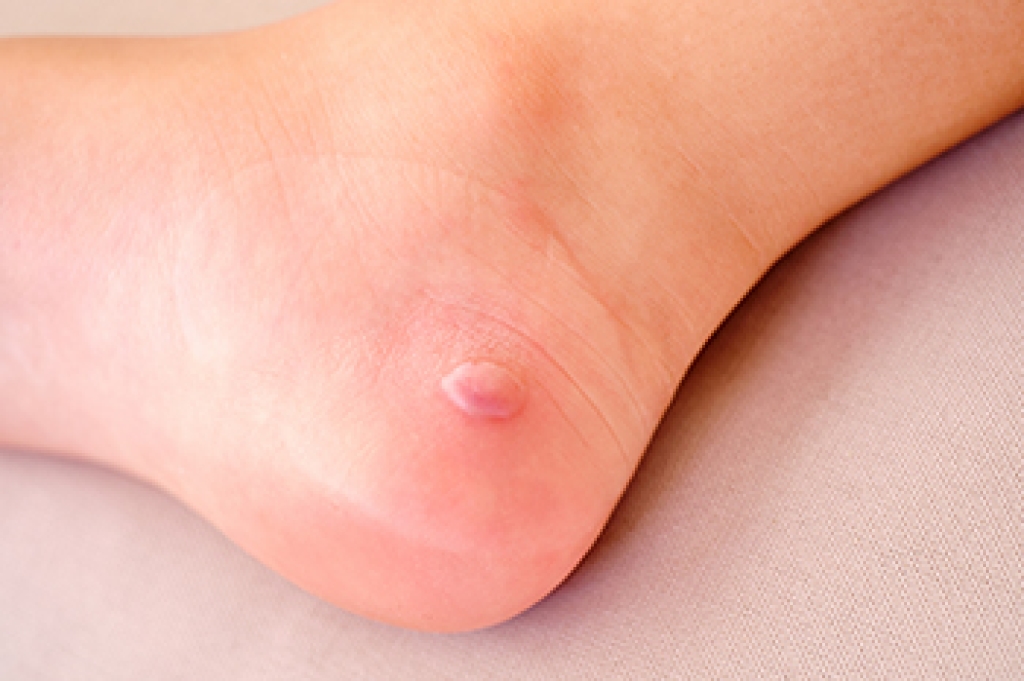
Foot blisters are fluid filled pockets that form when repeated friction, heat, and moisture damage the outer layers of skin. During hiking, blisters often develop as the foot rubs against boots over long distances, especially on uneven terrain. Symptoms may include redness, burning pain, swelling, tenderness, and clear or cloudy fluid beneath the skin. Prevention is important, and starts with making sure boots fit correctly and provide proper support without excessive movement. Choosing the right socks that reduce moisture and friction can also help protect the skin. When hiking for long periods, bringing a second pair of socks allows damp socks to be changed, lowering the risk of irritation. A podiatrist can help by treating painful or infected blisters, recommending proper footwear, and providing guidance to prevent recurrence. If foot blisters are limiting your comfort or hiking enjoyment, it is suggested that you consult a podiatrist who can offer effective relief and prevention tips.

Blisters are prone to making everyday activities extremely uncomfortable. If your feet are hurting, contact Joseph D. Ruffo, DPM, PC of New York. Our doctor can provide the care you need to keep you pain-free and on your feet.

Foot Blisters

Foot blisters develop as a result of constantly wearing tight or ill-fitting footwear. This happens due to the constant rubbing from the shoe, which can often lead to pain.

What Are Foot Blisters?

A foot blister is a small fluid-filled pocket that forms on the upper-most layer of the skin. Blisters are filled with clear fluid and can lead to blood drainage or pus if the area becomes infected.

How Do Blisters Form?

Blisters on the feet are often the result of constant friction of skin and material, usually by shoe rubbing. Walking in sandals, boots, or shoes that don’t fit properly for long periods of time can result in a blister. Having consistent foot moisture and humidity can easily lead to blister formation.

Prevention & Treatment

It is important to properly care for the affected area in order to prevent infection and ease the pain. Do not lance the blister and use a Band-Aid to provide pain relief. Also, be sure to keep your feet dry and wear proper fitting shoes. If you see blood or pus in a blister, seek assistance from a podiatrist.

If you have any questions, please feel free to contact one of our offices located in Sea Cliff and Babylon, NY . We offer the newest diagnostic and treatment technologies for all your foot care needs.

Read more about Blisters

Gout Pain Can Be Managed

Gout is a painful, inflammatory form of arthritis. Those affected will typically feel an intense stiffness in the joints of their feet, particularly in the big toe. Schedule a visit to learn about how gout can be managed and treated.

Why People With Diabetes Are Prone to Foot Infections

Diabetes can quietly affect the feet in several ways that make infections more likely. Reduced circulation limits oxygen and nutrient delivery, slowing the healing of even minor cuts. Nerve damage often dulls sensation, so small injuries may go unnoticed until they worsen. Elevated blood sugar also weakens the body’s defenses, allowing bacteria to thrive and infections to develop more easily. Additional risks include wearing tight or poorly fitted shoes, dry skin that cracks, and a past history of ulcers or wounds. Smoking and uncontrolled glucose levels can make recovery even slower. Preventive care is essential. Daily foot checks, proper footwear, and prompt attention to any irritation or sore help protect long-term health. If you live with diabetes and develop a foot wound that does not improve quickly, it is suggested that you contact a podiatrist for timely evaluation and appropriate treatment.

Diabetic foot care is important in preventing foot ailments such as ulcers. If you are suffering from diabetes or have any other concerns about your feet, contact Joseph D. Ruffo, DPM, PC from New York. Our doctor can provide the care you need to keep you pain-free and on your feet.

Diabetic Foot Care

Diabetes affects millions of people every year. The condition can damage blood vessels in many parts of the body, especially the feet. Because of this, taking care of your feet is essential if you have diabetes, and having a podiatrist help monitor your foot health is highly recommended.

The Importance of Caring for Your Feet

  • Routinely inspect your feet for bruises or sores.
  • Wear socks that fit your feet comfortably.
  • Wear comfortable shoes that provide adequate support.

Patients with diabetes should have their doctor monitor their blood levels, as blood sugar levels play such a huge role in diabetic care. Monitoring these levels on a regular basis is highly advised.

It is always best to inform your healthcare professional of any concerns you may have regarding your feet, especially for diabetic patients. Early treatment and routine foot examinations are keys to maintaining proper health, especially because severe complications can arise if proper treatment is not applied.

If you have any questions, please feel free to contact one of our offices located in Sea Cliff and Babylon, NY . We offer the newest diagnostic and treatment technologies for all your foot care needs.

Read more about Diabetic Foot Conditions
Connect with us