review us
follow us
like us

Common Symptoms of Neuropathy

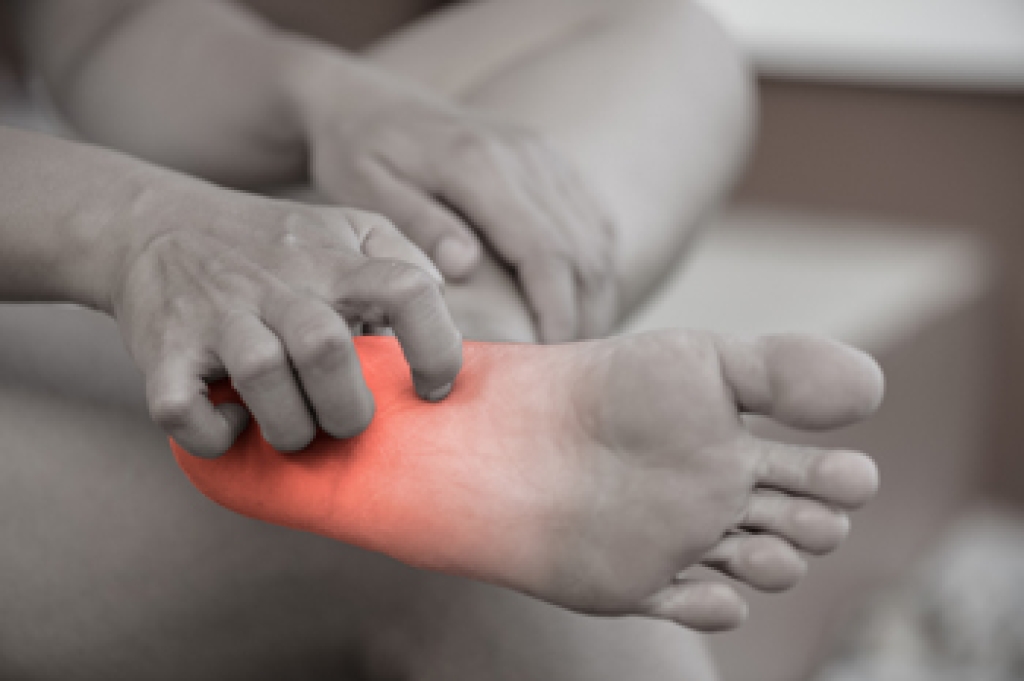
The feet are typically affected with the condition that is known as peripheral neuropathy. It causes the inability to feel sensations on the feet, and existing cuts, bruises, and scrapes may go unnoticed. There are various categories of specific types of nerves, consisting of sensory, motor, and autonomic nerves. Pain and touch are products of the sensory nerves, while the motor nerves control the muscles. Automatic functions of the body come from the autonomic nerves, and bladder function and blood pressure fall into this area. The symptoms that many people experience with neuropathy can include a loss of balance, weakness in the feet, in addition to a tingling or numbing sensation in the hands and feet. Diabetic patients may be prone to developing neuropathy, and infected cuts on the feet may go unnoticed, possibly leading to serious complications. If you have any symptoms that may indicate neuropathy, it is suggested that you consult with a podiatrist who can help you to manage this condition.

Neuropathy

Neuropathy can be a potentially serious condition, especially if it is left undiagnosed. If you have any concerns that you may be experiencing nerve loss in your feet, consult with Joseph D. Ruffo, DPM, PC from New York. Our doctor will assess your condition and provide you with quality foot and ankle treatment for neuropathy.

What Is Neuropathy?

Neuropathy is a condition that leads to damage to the nerves in the body. Peripheral neuropathy, or neuropathy that affects your peripheral nervous system, usually occurs in the feet. Neuropathy can be triggered by a number of different causes. Such causes include diabetes, infections, cancers, disorders, and toxic substances.

Symptoms of Neuropathy Include:

  • Numbness
  • Sensation loss
  • Prickling and tingling sensations
  • Throbbing, freezing, burning pains
  • Muscle weakness

Those with diabetes are at serious risk due to being unable to feel an ulcer on their feet. Diabetics usually also suffer from poor blood circulation. This can lead to the wound not healing, infections occurring, and the limb may have to be amputated.

Treatment

To treat neuropathy in the foot, podiatrists will first diagnose the cause of the neuropathy. Figuring out the underlying cause of the neuropathy will allow the podiatrist to prescribe the best treatment, whether it be caused by diabetes, toxic substance exposure, infection, etc. If the nerve has not died, then it’s possible that sensation may be able to return to the foot.

Pain medication may be issued for pain. Electrical nerve stimulation can be used to stimulate nerves. If the neuropathy is caused from pressure on the nerves, then surgery may be necessary.

If you have any questions, please feel free to contact one of our offices located in Sea Cliff and Babylon, NY . We offer the newest diagnostic and treatment technologies for all your foot care needs.
Read more about Neuropathy

Treating Plantar Warts

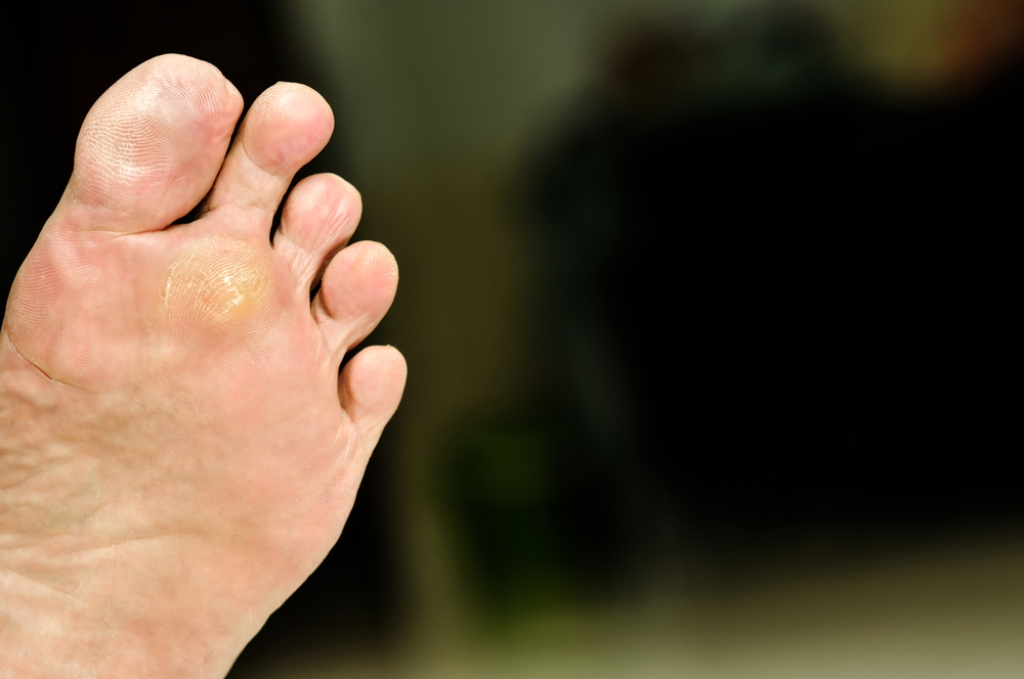
There are many types of foot conditions that primarily impact children. Among them is plantar warts, which primarily targets children. It is estimated that approximately 20% of children that are between the ages of 4 and 12 years old exhibit plantar warts. If your child has plantar warts, you might consider taking them to a podiatrist who will be able to determine how to address the problem. It is possible that the podiatrist might recommend any number of treatment options. For example, there are several treatments available for plantar warts that contain salicylic acid agents. Importantly, it is thought that salicylic acid is generally helpful in mitigating or treating plantar warts. Additionally, liquid nitrogen and dimethyl ether are thought to be other helpful substances for treating plantar warts. If your child has plantar warts, it is suggested that you schedule an appointment with a podiatrist today.

Plantar warts can be very uncomfortable. If you need your feet checked, contact Joseph D. Ruffo, DPM, PC from New York. Our doctor will assist you with all of your foot and ankle needs.

About Plantar Warts

Plantar warts are the result of HPV, or human papillomavirus, getting into open wounds on the feet. They are mostly found on the heels or balls of the feet.

While plantar warts are generally harmless, those experiencing excessive pain or those suffering from diabetes or a compromised immune system require immediate medical care. Plantar warts are easily diagnosed, usually through scraping off a bit of rough skin or by getting a biopsy.

Symptoms

  • Lesions on the bottom of your feet, usually rough and grainy
  • Hard or thick callused spots
  • Wart seeds, which are small clotted blood vessels that look like little black spots
  • Pain, discomfort, or tenderness of your feet when walking or standing

Treatment

  • Freezing
  • Electric tool removal
  • Laser Treatment
  • Topical Creams (prescription only)
  • Over-the-counter medications

To help prevent developing plantar warts, avoid walking barefoot over abrasive surfaces that can cause cuts or wounds for HPV to get into. Avoiding direct contact with other warts, as well as not picking or rubbing existing warts, can help prevent the further spread of plantar warts. However, if you think you have developed plantar warts, speak to your podiatrist. He or she can diagnose the warts on your feet and recommend the appropriate treatment options.

If you have any questions, please feel free to contact one of our offices located in Sea Cliff and Babylon, NY . We offer the newest diagnostic and treatment technologies for all your foot care needs.

Read more about Plantar Warts

Do You Suffer From Painful Foot Blisters?

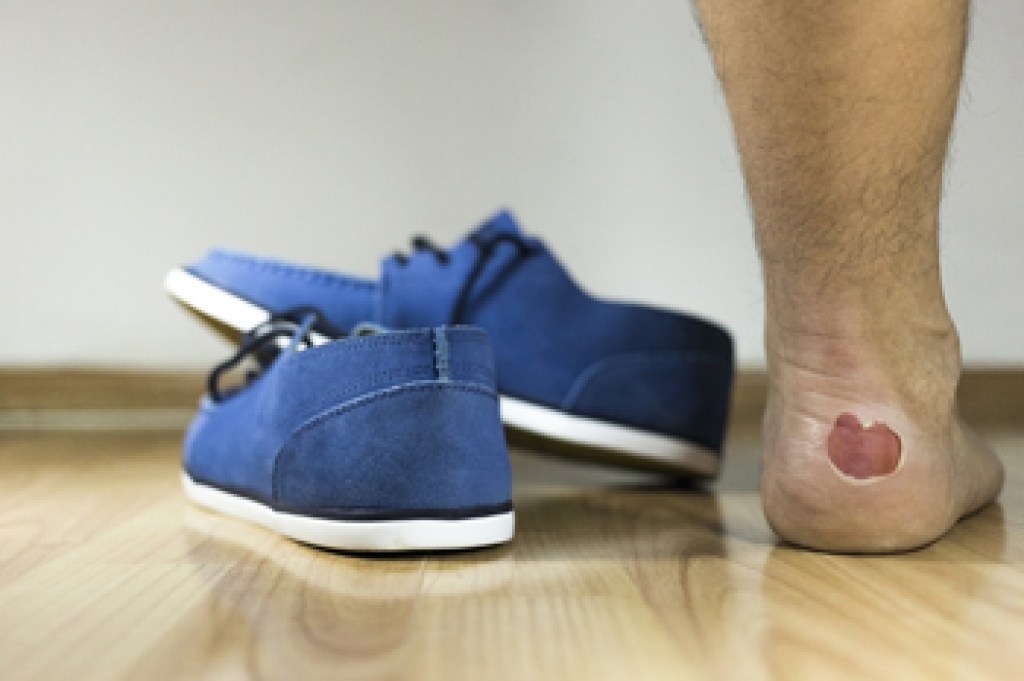
Foot blisters usually happen from friction, caused when shoes that are too tight or restrictive are worn and rubbed against the foot. While one can pop a blister and disinfect the area, it is a good idea to leave it alone. In addition, it is suggested you cover blisters with a padded bandage for protection and to prevent further irritation, so the body can reabsorb it. To prevent blisters, wear shoes that fit properly and feel comfortable with socks that provide padding in common areas of blister development. If a foot blister does not heal after the irritant is removed, looks infected, or is extremely painful, it is suggested that a podiatrist be seen for proper evaluation and treatment. Individuals with diabetes should be especially cautious since a blister could turn into a foot ulcer.

Blisters may appear as a single bubble or in a cluster. They can cause a lot of pain and may be filled with pus, blood, or watery serum. If your feet are hurting, contact Joseph D. Ruffo, DPM, PC of New York. Our doctor can provide the care you need to keep you pain-free and on your feet.

Foot Blisters

Foot blisters are often the result of friction. This happens due to the constant rubbing from shoes, which can lead to pain.

What Are Foot Blisters?

A foot blister is a small fluid-filled pocket that forms on the upper-most layer of the skin. Blisters are filled with clear fluid and can lead to blood drainage or pus if the area becomes infected.

Symptoms

(Blister symptoms may vary depending on what is causing them)

  • Bubble of skin filled with fluid
  • Redness
  • Moderate to severe pain
  • Itching

Prevention & Treatment

In order to prevent blisters, you should be sure to wear comfortable shoes with socks that cushion your feet and absorb sweat. Breaking a blister open may increase your chances of developing an infection. However, if your blister breaks, you should wash the area with soap and water immediately and then apply a bandage to the affected area. If your blisters cause severe pain it is important that you call your podiatrist right away.

If you have any questions, please feel free to contact one of our offices located in Sea Cliff and Babylon, NY . We offer the newest diagnostic and treatment technologies for all your foot care needs.
Read more about Blisters

It's Time for Beautiful Feet

You don't need an excuse to have beautiful nails. Step outside without worrying about the appearance of your feet.

Potential Foot Conditions That May Affect Seniors

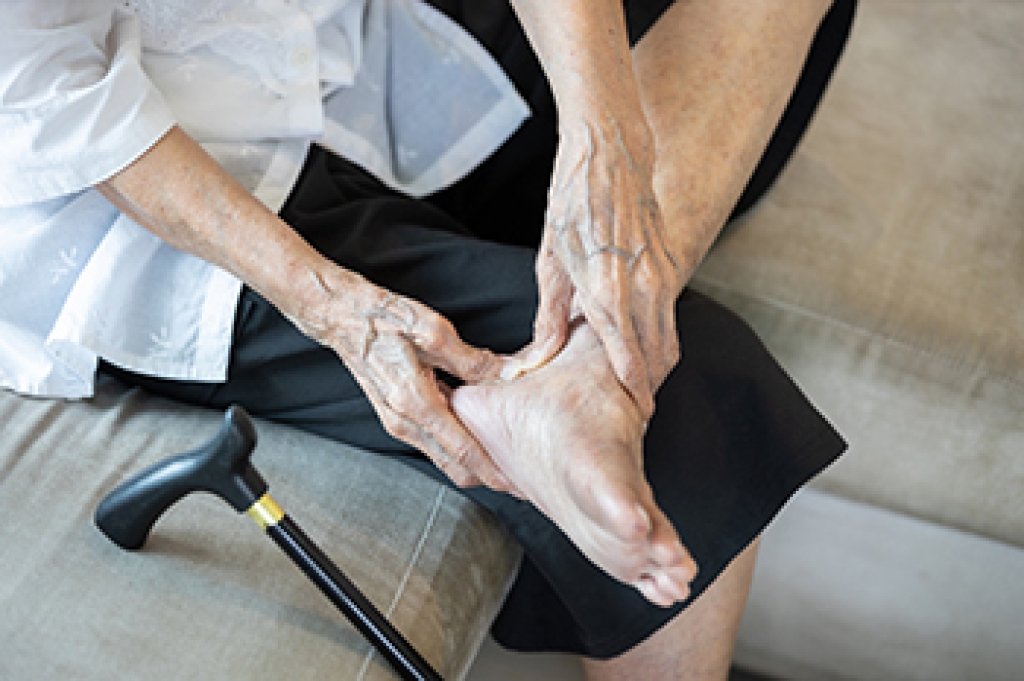
There are several reasons why elderly people may encounter foot problems. The fat pads in the feet may become thinner, and the skin may be drier. Severely cracked heels that are known as fissures may develop, and relief can come from using a good moisturizer. Many seniors have poor circulation, which may lead to the inability to feel existing cuts or wounds on the feet. One of the best things elderly people can do for their feet is to wear shoes and socks that fit correctly. Research has shown the feet become wider as the aging process occurs, and larger shoes may need to be purchased. It may be beneficial to lose extra weight which may help to prevent heel spurs and plantar fasciitis from developing. This is helpful in reducing the pressure the heels endure from completing daily activities. It is suggested that elderly people are under the regular care of a podiatrist who can identify potential foot problems, and offer effective prevention and treatment tips.

Proper foot care is something many older adults forget to consider. If you have any concerns about your feet and ankles, contact Joseph D. Ruffo, DPM, PC from New York. Our doctor can provide the care you need to keep you pain-free and on your feet.

The Elderly and Their Feet

As we age we start to notice many changes in our body, but the elder population may not notice them right away. Medical conditions may prevent the elderly to take notice of their foot health right away. Poor vision is a lead contributor to not taking action for the elderly.

Common Conditions 

  • Neuropathy – can reduce feeling in the feet and can hide many life-threatening medical conditions.
  • Reduced flexibility – prevents the ability of proper toenail trimming, and foot cleaning. If left untreated, it may lead to further medical issues.
  • Foot sores – amongst the older population can be serious before they are discovered. Some of the problematic conditions they may face are:
  • Gouging toenails affecting nearby toe
  • Shoes that don’t fit properly
  • Pressure sores
  • Loss of circulation in legs & feet
  • Edema & swelling of feet and ankles

Susceptible Infections

Diabetes and poor circulation can cause general loss of sensitivity over the years, turning a simple cut into a serious issue.

If you have any questions, please feel free to contact one of our offices located in Sea Cliff and Babylon, NY . We offer the newest diagnostic and treatment technologies for all your foot care needs.

Read more about Taking Care of Elderly Feet
Connect with us