review us
follow us
like us

How Does the Plantar Fascia Become Damaged?

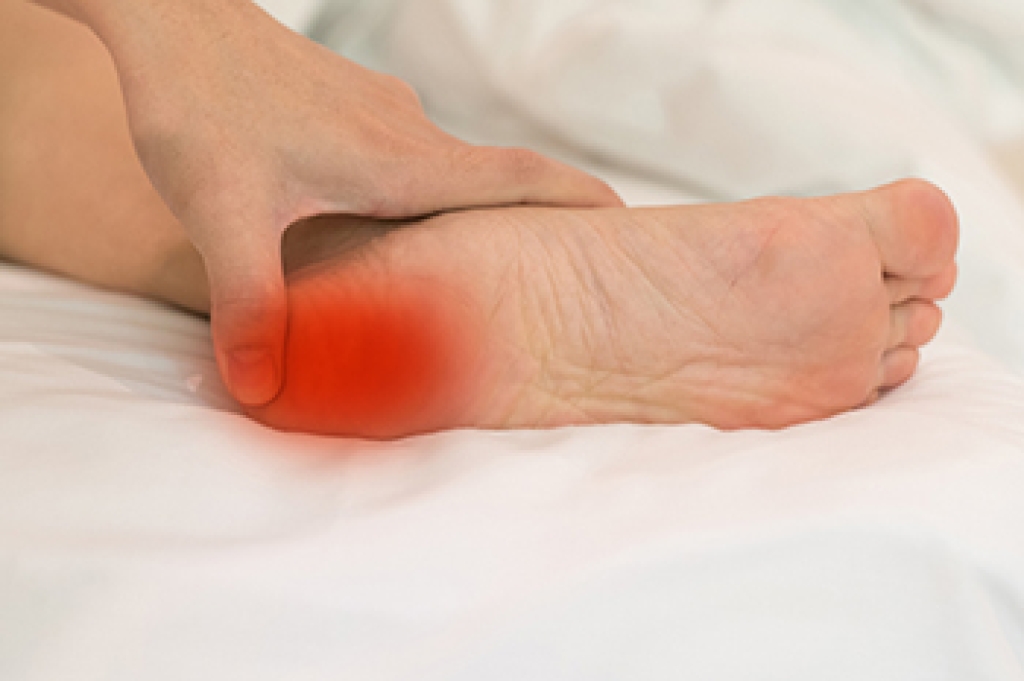
Heel pain is often associated with the condition known as plantar fasciitis. This common form of heel pain is the result of damage to, and inflammation of, the plantar fascia. The plantar fascia is the connective tissue on the sole of the foot that inserts at the heel bone, then spreads up to support the arch, and fans out to connect with each toe. Damage to the plantar fascia may be caused by wear from old age, obesity, shoes with inadequate support, and increasing physical activity too rapidly. Among the other causes are training on hard surfaces, standing for prolonged periods of time, and having flat feet or high arches. Plantar fasciitis typically causes pain in the inner/center part of the heel that worsens after periods of rest. Your podiatrist can offer various treatments to repair the plantar fascia, while reducing inflammation and pain. It is suggested that you contact one to seek treatment, as this condition may become chronic if the tissue does not heal properly. 

Plantar fasciitis is a common foot condition that is often caused by a strain injury. If you are experiencing heel pain or symptoms of plantar fasciitis, contact Joseph D. Ruffo, DPM, PC from New York. Our doctor can provide the care you need to keep you pain-free and on your feet.

What Is Plantar Fasciitis?

Plantar fasciitis is one of the most common causes of heel pain. The plantar fascia is a ligament that connects your heel to the front of your foot. When this ligament becomes inflamed, plantar fasciitis is the result. If you have plantar fasciitis you will have a stabbing pain that usually occurs with your first steps in the morning. As the day progresses and you walk around more, this pain will start to disappear, but it will return after long periods of standing or sitting.

What Causes Plantar Fasciitis?

  • Excessive running
  • Having high arches in your feet
  • Other foot issues such as flat feet
  • Pregnancy (due to the sudden weight gain)
  • Being on your feet very often

There are some risk factors that may make you more likely to develop plantar fasciitis compared to others. The condition most commonly affects adults between the ages of 40 and 60. It also tends to affect people who are obese because the extra pounds result in extra stress being placed on the plantar fascia.

Prevention

  • Take good care of your feet – Wear shoes that have good arch support and heel cushioning.
  • Maintain a healthy weight
  • If you are a runner, alternate running with other sports that won’t cause heel pain

There are a variety of treatment options available for plantar fasciitis along with the pain that accompanies it. Additionally, physical therapy is a very important component in the treatment process. It is important that you meet with your podiatrist to determine which treatment option is best for you.

If you have any questions, please feel free to contact one of our offices located in Sea Cliff and Babylon, NY . We offer the newest diagnostic and treatment technologies for all your foot care needs.

 

Read more about Plantar Fasciitis

How Is a Broken Ankle Treated?

A broken ankle can cause severe pain and discomfort. It generally occurs from a fall and can affect one or several bones in the ankle. Some patients can hear the bone break at the time of the injury and this may sound like a grinding or snapping noise. Common symptoms can include swelling or bruising, and it is often difficult to walk. In severe fractures, the bone may protrude from the skin and appear deformed. It is important to have an X-ray performed which can determine the severity of the fracture. Relief may be found when keeping weight off of the affected foot and frequently elevating the foot may also reduce existing swelling. Many broken ankles are treated by wearing a cast or a boot. This is effective in keeping the ankle stable as healing takes place. It may be easier to walk when crutches are used. If you have broken your ankle, please consult a podiatrist immediately who can properly diagnose your condition and offer treatment options which may include surgery for severe breaks.

Broken ankles need immediate treatment. If you are seeking treatment, contact Joseph D. Ruffo, DPM, PC from New York. Our doctor can provide the care you need to keep you pain-free and on your feet. 

Broken Ankles
A broken ankle is experienced when a person fractures their tibia or fibula in the lower leg and ankle area. Both of these bones are attached at the bottom of the leg and combine to form what we know to be our ankle.

When a physician is referring to a break of the ankle, he or she is usually referring to a break in the area where the tibia and fibula are joined to create our ankle joint. Ankles are more prone to fractures because the ankle is an area that suffers a lot of pressure and stress. There are some obvious signs when a person experiences a fractured ankle, and the following symptoms may be present.

Symptoms of a Fractured Ankle

  • Excessive pain when the area is touched or when any pressure is placed on the ankle
  • Swelling around the area
  • Bruising of the area
  • Area appears to be deformed

If you suspect an ankle fracture, it is recommended to seek treatment as soon as possible. The sooner you have your podiatrist diagnose the fracture, the quicker you’ll be on the way towards recovery.

If you have any questions, please feel free to contact one of our offices located in Sea Cliff and Babylon, NY . We offer the newest diagnostic and treatment technologies for all your foot care needs.

Read more about All About Broken Ankles

The Achilles Tendon Controls Pointing and Flexing the Foot

The large tendon located in the back of the calf is known as the Achilles tendon. It plays an important role in pointing and flexing the foot which is vital to completing daily activities. An Achilles tendon injury can occur for several reasons. These can include sustaining a running or jumping injury, changing an exercise routine, or wearing shoes that do not fit correctly. There may be existing medical conditions that lead to this painful foot condition, including obesity, having flat feet, or if your foot rolls inward while walking or running. The symptoms that are often associated with this type of injury can consist of intense pain at the time of the injury and stiffness, and the affected area is often swollen. Some patients even hear a popping noise as the injury occurs and this generally requires immediate medical attention. There are different methods to treat this condition and it is strongly suggested that you are under the care of a podiatrist who can determine which treatment is best for you.

Achilles tendon injuries need immediate attention to avoid future complications. If you have any concerns, contact Joseph D. Ruffo, DPM, PC of New York. Our doctor can provide the care you need to keep you pain-free and on your feet.

What Is the Achilles Tendon?

The Achilles tendon is a tendon that connects the lower leg muscles and calf to the heel of the foot. It is the strongest tendon in the human body and is essential for making movement possible. Because this tendon is such an integral part of the body, any injuries to it can create immense difficulties and should immediately be presented to a doctor.

What Are the Symptoms of an Achilles Tendon Injury?

There are various types of injuries that can affect the Achilles tendon. The two most common injuries are Achilles tendinitis and ruptures of the tendon.

Achilles Tendinitis Symptoms

  • Inflammation
  • Dull to severe pain
  • Increased blood flow to the tendon
  • Thickening of the tendon

Rupture Symptoms

  • Extreme pain and swelling in the foot
  • Total immobility

Treatment and Prevention

Achilles tendon injuries are diagnosed by a thorough physical evaluation, which can include an MRI. Treatment involves rest, physical therapy, and in some cases, surgery. However, various preventative measures can be taken to avoid these injuries, such as:

  • Thorough stretching of the tendon before and after exercise
  • Strengthening exercises like calf raises, squats, leg curls, leg extensions, leg raises, lunges, and leg presses

If you have any questions please feel free to contact one of our offices located in Sea Cliff and Babylon, NY . We offer the newest diagnostic tools and technology to treat your foot and ankle needs.

Read more about Achilles Tendon Injuries

Swollen Feet During Pregnancy Is Normal

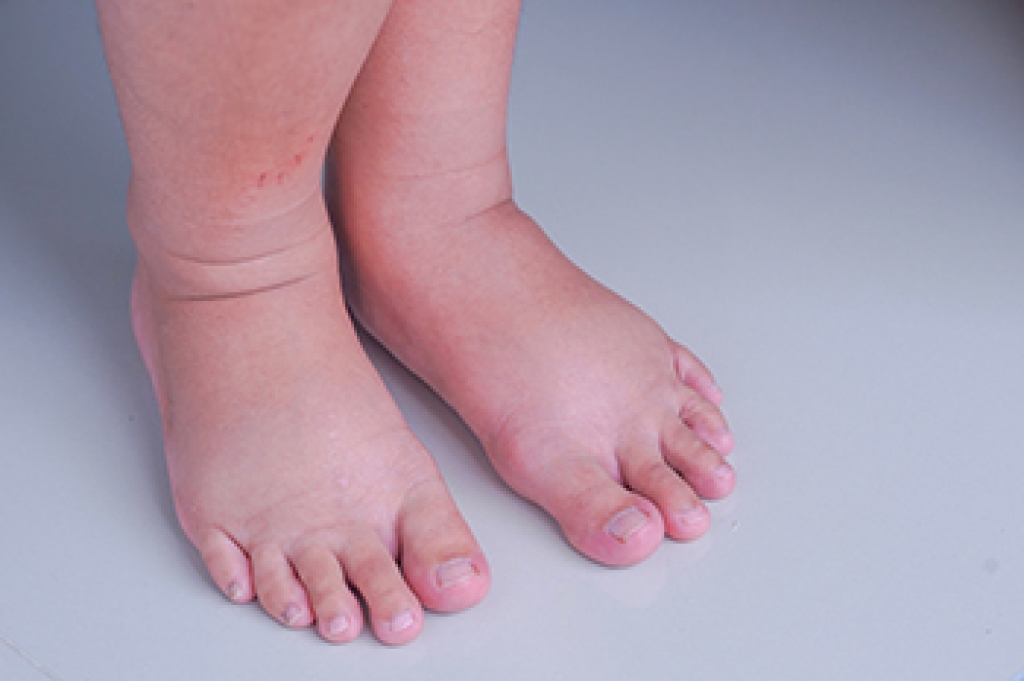
Many pregnant women experience swelling of the feet and this is a normal symptom of pregnancy. It is a condition that is referred to as edema and it can cause the patient to be uncomfortable. This is a result of the added weight that is gained during pregnancy, in addition to the blood becoming thicker during this gestation period. Gravity can cause extra fluid in the body to pool in the feet and the shoes that are worn daily may become uncomfortable to wear. The need to drink water increases during pregnancy and the feet may be affected if not enough water is ingested. Research has indicated that 1 in 25 women will experience preeclampsia during pregnancy which will cause the feet to become swollen. Relief can come from frequently elevating the feet and it can help to refrain from overheating. If you have questions about swollen feet during pregnancy please consult with a podiatrist who can address any concerns you may have.

Pregnant women with swollen feet can be treated with a variety of different methods that are readily available. For more information about other cures for swollen feet during pregnancy, consult with Joseph D. Ruffo, DPM, PC from New York. Our doctor will attend to all of your foot and ankle needs.

What Foot Problems Can Arise During Pregnancy?

One problem that can occur is overpronation, which occurs when the arch of the foot flattens and tends to roll inward.  This can cause pain and discomfort in your heels while you’re walking or even just standing up, trying to support your baby.  

Another problem is edema, or swelling in the extremities. This often affects the feet during pregnancy but tends to occur in the later stages. 

How Can I Keep My Feet Healthy During Pregnancy?

  • Wearing orthotics can provide extra support for the feet and help distribute weight evenly
  • Minimize the amount of time spent walking barefoot
  • Wear shoes with good arch support
  • Wear shoes that allow for good circulation to the feet
  • Elevate feet if you experience swelling
  • Massage your feet
  • Get regular, light exercise, such as walking, to promote blood circulation to the feet

If you have any questions, please feel free to contact one of our offices located in Sea Cliff and Babylon, NY . We offer the newest diagnostic and treatment technologies for all your foot care needs.
Read more about Pregnancy and Foot Health
Connect with us