review us
follow us
like us

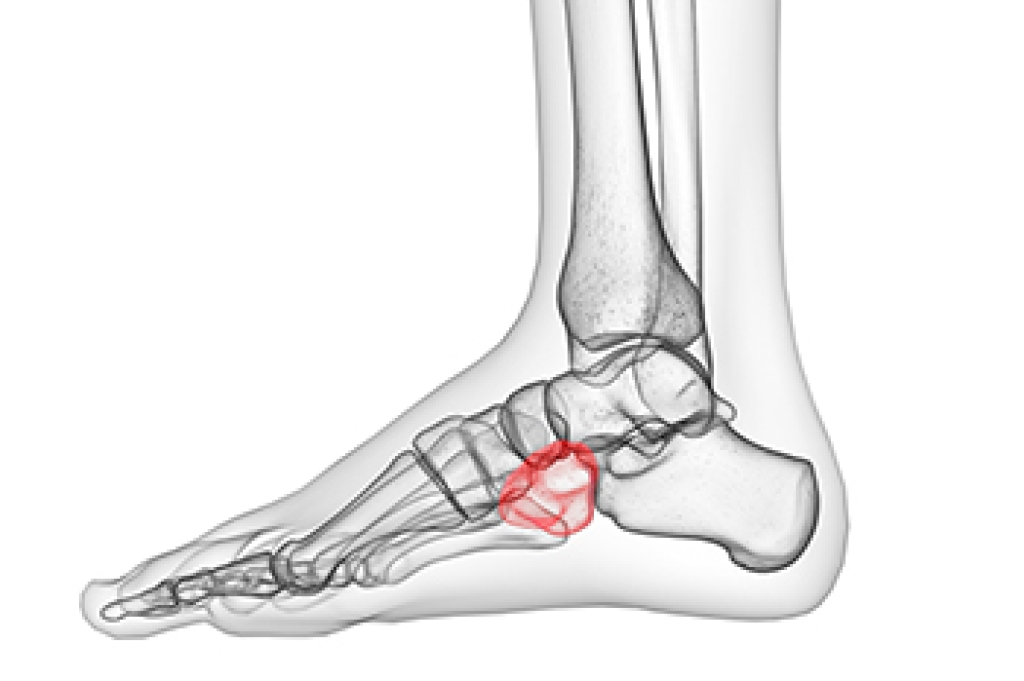
Do I Have Cuboid Syndrome?

The cuboid bone is one of 8 tarsal bones in the foot that sits just on the outside of the foot near the ankle. When this bone becomes dislocated (either partially or completely), cuboid syndrome may occur. Cuboid syndrome often occurs after an ankle sprain, but it can happen without any other injury. If the peroneal muscle that attaches to the bone pulls the bone too hard, the cuboid can dislocate. Two common symptoms of cuboid syndrome include pain on the outside of the foot (especially when bearing weight) and overpronation of the feet (where they either roll in or flatten). Patients who believe that they may have cuboid syndrome should consult with a podiatrist. A podiatrist will be able to put the bone back into proper alignment, as well as provide suggestions for helping to keep the bone in place.

Cuboid syndrome, also known as cuboid subluxation, occurs when the joints and ligaments near the cuboid bone in the foot become torn. If you have cuboid syndrome, consult with Joseph D. Ruffo, DPM, PC from New York. Our doctor will assess your condition and provide you with quality foot and ankle treatment.

Cuboid syndrome is a common cause of lateral foot pain, which is pain on the outside of the foot. The condition may happen suddenly due to an ankle sprain, or it may develop slowly overtime from repetitive tension through the bone and surrounding structures.

Causes

The most common causes of cuboid syndrome include:

  • Injury – The most common cause of this ailment is an ankle sprain.
  • Repetitive Strain – Tension placed through the peroneus longus muscle from repetitive activities such as jumping and running may cause excessive traction on the bone causing it to sublux.
  • Altered Foot Biomechanics – Most people suffering from cuboid subluxation have flat feet.

Symptoms

A common symptom of cuboid syndrome is pain along the outside of the foot which can be felt in the ankle and toes. This pain may create walking difficulties and may cause those with the condition to walk with a limp.

Diagnosis

Diagnosis of cuboid syndrome is often difficult, and it is often misdiagnosed. X-rays, MRIs and CT scans often fail to properly show the cuboid subluxation. Although there isn’t a specific test used to diagnose cuboid syndrome, your podiatrist will usually check if pain is felt while pressing firmly on the cuboid bone of your foot.

Treatment

Just as the range of causes varies widely, so do treatments. Some more common treatments are ice therapy, rest, exercise, taping, and orthotics.

If you have any questions, please feel free to contact one of our offices located in Sea Cliff and Babylon, NY . We offer the newest diagnostic and treatment technologies for all your foot care needs.

Read more about All About Cuboid Syndrome

What Is This Rash on My Feet?

A rash on the feet can be indicative of a variety of medical conditions. One of the most common reasons for a foot rash is a fungal infection called athlete’s foot. The rash characteristic of athlete’s foot is usually scaly, flakey, itchy, and red, and it may also sting or burn. Irritant contact dermatitis is an allergic skin reaction that can affect the feet. A contact dermatitis rash features dry, cracked, scaly - but not itchy - skin in a localized area. Allergic contact dermatitis is caused by a more severe allergic reaction and often presents as small, pink or red skin bumps, spots, or blisters that are very itchy. Other conditions that can lead to a foot rash include hand foot and mouth disease, eczema, psoriasis, scabies, an insect bite, and medical conditions like chicken pox, shingles, and Lyme disease. If you have a rash on your feet, please consult with a podiatrist.

Athlete’s Foot

Athlete’s foot is often an uncomfortable condition to experience. Thankfully, podiatrists specialize in treating athlete’s foot and offer the best treatment options. If you have any questions about athlete’s foot, consult with Joseph D. Ruffo, DPM, PC from New York. Our doctor will assess your condition and provide you with quality treatment.

What Is Athlete’s Foot?

Tinea pedis, more commonly known as athlete’s foot, is a non-serious and common fungal infection of the foot. Athlete’s foot is contagious and can be contracted by touching someone who has it or infected surfaces. The most common places contaminated by it are public showers, locker rooms, and swimming pools. Once contracted, it grows on feet that are left inside moist, dark, and warm shoes and socks.

Prevention

The most effective ways to prevent athlete’s foot include:

  • Thoroughly washing and drying feet
  • Avoid going barefoot in locker rooms and public showers
  • Using shower shoes in public showers
  • Wearing socks that allow the feet to breathe
  • Changing socks and shoes frequently if you sweat a lot

Symptoms

Athlete’s foot initially occurs as a rash between the toes. However, if left undiagnosed, it can spread to the sides and bottom of the feet, toenails, and if touched by hand, the hands themselves. Symptoms include:

  • Redness
  • Burning
  • Itching
  • Scaly and peeling skin

Diagnosis and Treatment

Diagnosis is quick and easy. Skin samples will be taken and either viewed under a microscope or sent to a lab for testing. Sometimes, a podiatrist can diagnose it based on simply looking at it. Once confirmed, treatment options include oral and topical antifungal medications.

If you have any questions, please feel free to contact one of our offices located in Sea Cliff and Babylon, NY . We offer the newest diagnostic and treatment technologies for all your foot care needs.

Read more about Athlete's Foot

Do Your Child's Feet Hurt?

Have your child's feet been examined lately? Healthy feet are happy feet. If your child is complaining of foot pain, it may be a sign of underlying problems.

What the Feet Go Through During Pregnancy

When a woman is pregnant, many changes occur in her feet. The fluctuation in hormone levels during pregnancy can cause muscles to weaken, and ligaments to loosen in the feet and ankles. This can cause arches to fall and the feet to roll inward due to increased strain. Pain may also be felt in the arch and inside the ankle. These factors, along with the additional weight gain during pregnancy, can contribute to an inflammation in the connective tissue between the toes and heel bone (plantar fasciitis). Additionally, it is widely believed that many women come out of pregnancy with wider and longer feet. There are strengthening exercises, orthotics, as well as other methods that a podiatrist can deploy to help relieve pressure and support the foot structure during pregnancy.

Pregnant women with swollen feet can be treated with a variety of different methods that are readily available. For more information about other cures for swollen feet during pregnancy, consult with Joseph D. Ruffo, DPM, PC from New York. Our doctor will attend to all of your foot and ankle needs.

What Foot Problems Can Arise During Pregnancy?

One problem that can occur is overpronation, which occurs when the arch of the foot flattens and tends to roll inward.  This can cause pain and discomfort in your heels while you’re walking or even just standing up, trying to support your baby.  

Another problem is edema, or swelling in the extremities. This often affects the feet during pregnancy but tends to occur in the later stages. 

How Can I Keep My Feet Healthy During Pregnancy?

  • Wearing orthotics can provide extra support for the feet and help distribute weight evenly
  • Minimize the amount of time spent walking barefoot
  • Wear shoes with good arch support
  • Wear shoes that allow for good circulation to the feet
  • Elevate feet if you experience swelling
  • Massage your feet
  • Get regular, light exercise, such as walking, to promote blood circulation to the feet

If you have any questions, please feel free to contact one of our offices located in Sea Cliff and Babylon, NY . We offer the newest diagnostic and treatment technologies for all your foot care needs.
Read more about Foot Care for Pregnant Women

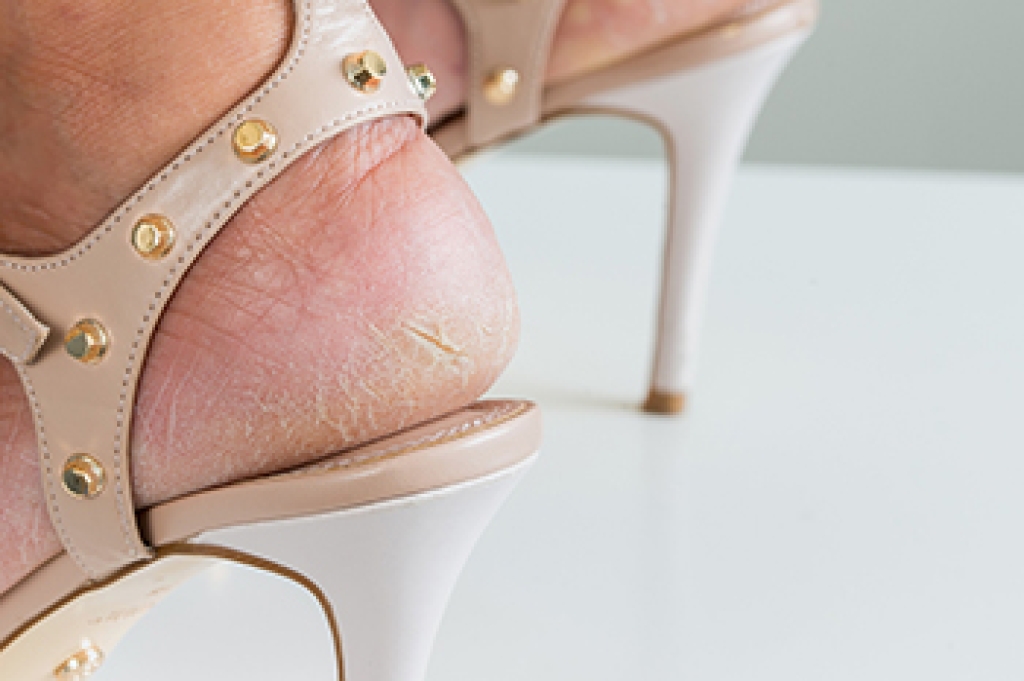
What Are the Affects Cracked Heels Have on the Skin?

There are two layers of skin that are called the dermis and epidermis. The latter is the outermost layer, and is where cracked skin often develops. Heel fissures is the medical name for cracked heels, which can come from standing on hard surfaces for the majority of the day. Additionally, wearing shoes that do not fit correctly may cause this condition to occur, and this can include wearing shoes that have an open back. There are medical conditions that may lead to cracked heels, such as diabetes, psoriasis and eczema. Patients have found mild relief when the feet are washed and thoroughly dried, followed by applying a good moisturizer to them. If you have cracked heels, it is suggested that you consult with a podiatrist who can effectively treat this ailment, and advise you on proper foot care techniques.

Cracked heels are unsightly and can cause further damage to your shoes and feet. If you have any concerns, contact Joseph D. Ruffo, DPM, PC from New York. Our doctor can provide the care you need to keep you pain-free and on your feet.

Cracked Heels

Cracked heels appear unappealing and can make it harder for you walk around in sandals. Aside from looking unpleasant, cracked heels can also tear stockings, socks, and wear out your shoes. There are several methods to help restore a cracked heel and prevent further damage.

How Do You Get Them?

Dry skin is the number one culprit in creating cracked heels. Many athletes, walkers, joggers, and even swimmers suffer from cracked heels. Age and skin oil production play a role to getting cracked heels as well.

Promote Healing

Over the counter medicines can help, especially for those that need instant relief or who suffer from chronic dry feet.

Wear Socks – Wearing socks with medicated creams helps lock in moisture.

Moisturizers – Applying both day and night will help alleviate dryness which causes cracking.

Pumice Stones – These exfoliate and remove dead skin, which allows for smoother moisturizer application and better absorption into the skin. 

Change in Diet

Eating healthy with a well-balanced diet will give the skin a fresh and radiant look. Your body responds to the kinds of food you ingest. Omega-3 fatty acids and zinc supplements can also revitalize skin tissue.

Most importantly, seek professional help if unsure how to proceed in treating cracked heels. A podiatrist will help you with any questions or information needed. 

If you have any questions, please feel free to contact one of our offices located in Sea Cliff and Babylon, NY . We offer the newest diagnostic and treatment technologies for all your foot care needs.

Read more about Solutions for Cracked Heels
Connect with us