review us
follow us
like us

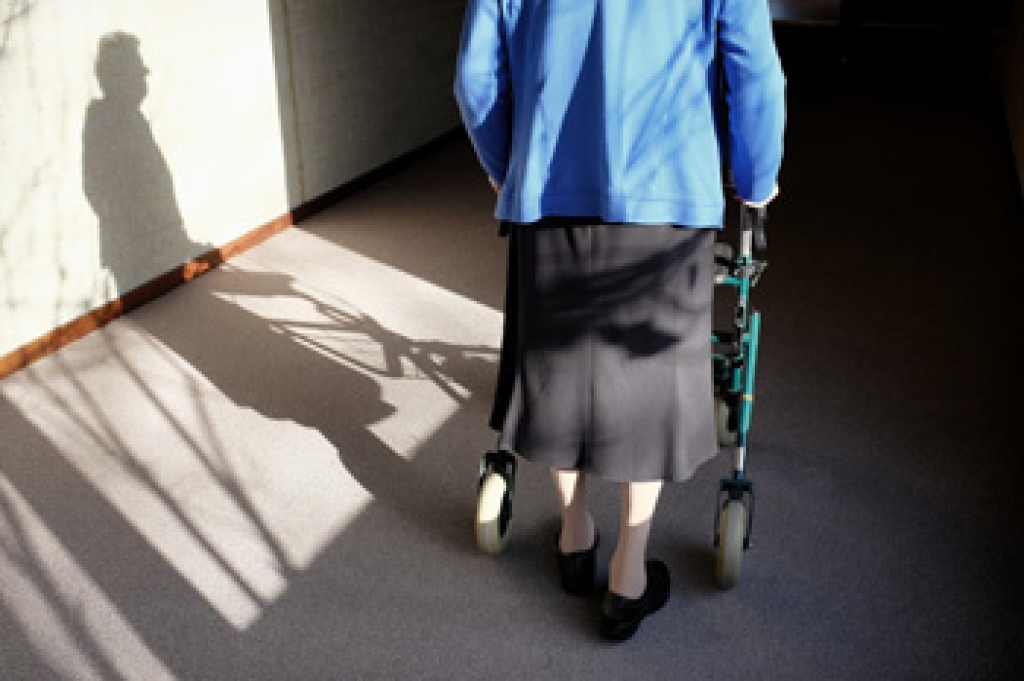
Can Falling Be Prevented?

Falling is common among older individuals, and can cause serious injuries. It is important to learn why falls occur, and it may be wise to implement methods that help to prevent falling. These include practicing a regular exercise routine which aids in maintaining strength and balance, and wearing shoes that fit correctly. Additionally, it is beneficial to keep your living environment free of clutter and installing handrails in the shower area to prevent unwanted slips from occurring. Many patients find it advantageous to have frequent eye examinations performed, and this may enable them to see items on the floor that can cause tripping. If you would like information about how falling can affect the feet, it is advised that you speak to a podiatrist.

Preventing falls among the elderly is very important. If you are older and have fallen or fear that you are prone to falling, consult with Joseph D. Ruffo, DPM, PC from New York. Our doctor will assess your condition and provide you with quality advice and care.

Every 11 seconds, an elderly American is being treated in an emergency room for a fall related injury. Falls are the leading cause of head and hip injuries for those 65 and older. Due to decreases in strength, balance, senses, and lack of awareness, elderly persons are very susceptible to falling. Thankfully, there are a number of things older persons can do to prevent falls.

How to Prevent Falls

Some effective methods that older persons can do to prevent falls include:

  • Enrolling in strength and balance exercise program to increase balance and strength
  • Periodically having your sight and hearing checked
  • Discuss any medications you have with a doctor to see if it increases the risk of falling
  • Clearing the house of falling hazards and installing devices like grab bars and railings
  • Utilizing a walker or cane
  • Wearing shoes that provide good support and cushioning
  • Talking to family members about falling and increasing awareness

Falling can be a traumatic and embarrassing experience for elderly persons; this can make them less willing to leave the house, and less willing to talk to someone about their fears of falling. Doing such things, however, will increase the likelihood of tripping or losing one’s balance. Knowing the causes of falling and how to prevent them is the best way to mitigate the risk of serious injury.  

If you have any questions, please feel free to contact one of our offices located in Sea Cliff and Babylon, NY . We offer the newest diagnostic and treatment technologies for all your foot care needs.

Read more about Falls Prevention

Aftercare for Hammertoe Surgery

Many patients elect to have surgery done to permanently correct hammertoe. After surgery is performed, it is recommended to wear certain shoes that are designed to keep the toe in the correct position for several weeks. These types of shoes also provide adequate protection for the affected toe. Research has indicated that it is beneficial to walk for limited amounts of time throughout the day. This is helpful in increasing blood flow in the body, which aids in faster healing. Additionally, swelling may be diminished when the foot is elevated. If you have hammertoe, and are considering treatment options that include surgery, it is strongly suggested that you speak with a podiatrist who can properly guide you.

Foot surgery is sometimes necessary to treat a foot ailment. To learn more, contact Joseph D. Ruffo, DPM, PC of New York. Our doctor will assist you with all of your foot and ankle needs.

When Is Surgery Necessary?

Foot and ankle surgery is generally reserved for cases in which less invasive, conservative procedures have failed to alleviate the problem. Some of the cases in which surgery may be necessary include:

  • Removing foot deformities like bunions and bone spurs
  • Severe arthritis that has caused bone issues
  • Cosmetic reconstruction

What Types of Surgery Are There?

The type of surgery you receive will depend on the nature of the problem you have. Some of the possible surgeries include:

  • Bunionectomy for painful bunions
  • Surgical fusion for realignment of bones
  • Neuropathy decompression surgery to treat nerve damage

Benefits of Surgery

Although surgery is usually a last resort, it can provide more complete pain relief compared to non-surgical methods and may allow you to finally resume full activity.

Surgical techniques have also become increasingly sophisticated. Techniques like endoscopic surgery allow for smaller incisions and faster recovery times.

If you have any questions, please feel free to contact one of our offices located in Sea Cliff and Babylon, NY . We offer the newest diagnostic and treatment technologies for all your foot care needs.

Read more about Foot Surgery

How Do Broken Toes Heal?

The bones in the toes are delicate and small and can easily break if a heavy object drops on one of them. Some of the symptoms that are associated with broken toes include bruising that may last for one to two weeks, severe pain, stiffness, and swelling. Many broken toes can be treated without surgery, unless the fracture is severe. This includes breaks, which result in the toe becoming crooked, or causes an open wound. The healing process begins with resting and elevating the foot, and this is helpful in reducing any existing swelling. Many patients find it beneficial to tape the affected toe to the toe next to it, and this is referred to as buddy taping. If you have endured an injury to your toe, it is suggested that you consult with a podiatrist who can offer proper treatment options.

Broken toes may cause a lot of pain and should be treated as soon as possible. If you have any concerns about your feet, contact Joseph D. Ruffo, DPM, PC from New York. Our doctor will treat your foot and ankle needs.

What Is a Broken Toe?

A broken toe occurs when one or more of the toe bones of the foot are broken after an injury. Injuries such as stubbing your toe or dropping a heavy object on it may cause a toe fracture.

Symptoms of a Broken Toe

  • Swelling
  • Pain (with/without wearing shoes)
  • Stiffness
  • Nail Injury

Although the injured toe should be monitored daily, it is especially important to have a podiatrist look at your toe if you have severe symptoms. Some of these symptoms include worsening or new pain that is not relieved with medication, sores, redness, or open wounds near the toe.

If you have any questions please feel free to contact one of our offices located in Sea Cliff and Babylon, NY . We offer the newest diagnostic tools and technology to treat your foot and ankle needs.

Read more about What to Know About a Broken Toe

It's Time for Beautiful Feet

You don't need an excuse to have beautiful nails. Step outside without worrying about the appearance of your feet.

How to Prevent Athlete’s Foot

The symptoms of a condition that is referred to as athlete’s foot may consist of dry, flaky and cracked skin between the toes or on the soles of the feet. It is typically caused by a fungus which thrives in warm and moist areas. These may include public swimming pools, shower room floors, or locker rooms. It is known to be extremely contagious, and there are measures that can be implemented to avoid contracting athlete’s foot. These may consist of wearing appropriate shoes in public areas, and keeping your shoes and socks dry. Additionally, it may be helpful to wash and dry your feet daily, followed by utilizing a powder between the toes. This may aid in keeping the feet dry. If you have athlete’s foot, it is advised to consult with a podiatrist who can properly diagnosis and treat this condition.

Athlete’s foot is an inconvenient condition that can be easily reduced with the proper treatment. If you have any concerns about your feet and ankles, contact Joseph D. Ruffo, DPM, PC from New York.  Our doctor will treat your foot and ankle needs.

Athlete’s Foot: The Sole Story

Athlete's foot, also known as tinea pedis, can be an extremely contagious foot infection. It is commonly contracted in public changing areas and bathrooms, dormitory style living quarters, around locker rooms and public swimming pools, or anywhere your feet often come into contact with other people.

Solutions to Combat Athlete’s Foot

  • Hydrate your feet by using lotion
  • Exfoliate
  • Buff off nails
  • Use of anti-fungal products
  • Examine your feet and visit your doctor if any suspicious blisters or cuts develop

Athlete’s foot can cause many irritating symptoms such as dry and flaking skin, itching, and redness. Some more severe symptoms can include bleeding and cracked skin, intense itching and burning, and even pain when walking. In the worst cases, Athlete’s foot can cause blistering as well. Speak to your podiatrist for a better understanding of the different causes of Athlete’s foot, as well as help in determining which treatment options are best for you.

If you have any questions please feel free to contact one of our offices located in Sea Cliff and Babylon, NY . We offer the newest diagnostic and treatment technologies for all your foot and ankle needs.

Read more about How to Deal with Athlete's Foot
Connect with us