
review us
follow us
like us

Sever's Disease and Heel Pain Relief

Sever’s disease is a common cause of heel pain in growing children, especially those who are active in sports. It is a growth-related condition that affects the heel bone, known as the calcaneus. During periods of rapid growth, bones can lengthen faster than the surrounding muscles and tendons, creating tension at the growth plate. Repetitive stress on this sensitive area can lead to inflammation and discomfort, particularly in children who regularly engage in running and jumping activities.

Symptoms of Sever’s disease typically include heel pain that worsens with physical activity and improves with rest. Children may report tenderness at the back or underside of the heel, along with stiffness and difficulty walking or running comfortably. In some cases, a child may limp or avoid placing full weight on the affected foot. The pain can occur in one or both heels and may vary in severity depending on activity level and intensity.

Several risk factors can increase the likelihood of developing this condition. Participation in high-impact sports such as soccer, basketball, or track places repeated strain on the heel. Rapid growth spurts can further contribute by increasing tension in the muscles and tendons attached to the heel bone. Wearing improper footwear that lacks sufficient support or cushioning can worsen symptoms. Additionally, foot structure, including flat feet or high arches, may lead to uneven pressure distribution and added stress on the growth plate.

Managing Sever’s disease focuses on reducing stress on the heel and promoting proper foot mechanics. Rest, supportive footwear, and stretching exercises can help relieve discomfort and support healing. Early attention is important to prevent prolonged symptoms and allow a safe return to activity. If your active child has heel pain, it is suggested that you consult a podiatrist who can offer effective relief and management tips.

Sever's disease often occurs in children and teens. If your child is experiencing foot or ankle pain, see Joseph D. Ruffo, DPM, PC from New York. Our doctor can treat your child’s foot and ankle needs.

Sever’s Disease

Sever’s disease is also known as calcaneal apophysitis, which is a medical condition that causes heel pain I none or both feet. The disease is known to affect children between the ages of 8 and 14.

Sever’s disease occurs when part of the child’s heel known as the growth plate (calcaneal epiphysis) is attached to the Achilles tendon. This area can suffer injury when the muscles and tendons of the growing foot do not keep pace with bone growth. Therefore, the constant pain which one experiences at the back of the heel will make the child unable to put any weight on the heel. The child is then forced to walk on their toes.

Symptoms

Acute pain – Pain associated with Sever’s disease is usually felt in the heel when the child engages in physical activity such as walking, jumping and or running.

Highly active – Children who are very active are among the most susceptible in experiencing Sever’s disease, because of the stress and tension placed on their feet.

If you have any questions, please feel free to contact one of our offices located in Sea Cliff and Babylon, NY . We offer the newest diagnostic and treatment technologies for all your foot care needs.

Read more about Sever's Disease

Chronic Ankle Instability After Sprains and Why It Keeps Returning

Chronic ankle instability is a condition that develops when the ankle repeatedly gives way due to weakened ligaments following an ankle sprain. It is defined as a loss of stability in the ankle joint, often caused by incomplete healing or repeated injury. When a sprain stretches or tears the supporting ligaments, the joint may not regain full strength, leaving it vulnerable to further damage. Over time, this instability can affect balance, coordination, and overall foot function.

Common symptoms of ankle instability include a feeling of the ankle giving out, especially on uneven surfaces or during physical activity. Patients may experience persistent swelling, discomfort, and tenderness around the joint. Recurrent ankle sprains are a key sign, as unstable ankle joints can easily be twisted again. Some individuals also report weakness, reduced range of motion, and difficulty maintaining balance during movement.


Several causes and risk factors contribute to the development of chronic ankle instability. A previous ankle sprain is the most significant factor, particularly if it was not properly treated or rehabilitated. Ligament laxity, muscle weakness, and poor proprioception can also increase the risk. Athletes and individuals who participate in high impact activities are more prone to repeated injuries. Wearing unsupportive footwear and walking on uneven surfaces may further increase the likelihood of instability.


Proper management is essential to restore strength and prevent future sprains. Treatment may include targeted exercises to improve balance and stability, supportive bracing, and custom orthotics to enhance alignment. Early care can reduce the risk of long term joint damage. If you have sprained your ankle, it is suggested that you consult a podiatrist who can accurately diagnose and treat this condition, which may include appropriate stretches to prevent recurring ankle sprains.

Although ankle sprains are common, they aren’t always minor injuries. If you need your ankle injury looked at, contact Joseph D. Ruffo, DPM, PC from New York. Our doctor can provide the care you need to keep you pain-free and on your feet.

How Does an Ankle Sprain Occur?

Ankle sprains are the result of a tear in the ligaments within the ankle. These injuries may happen when you make a rapid shifting movement while your foot is planted. A less common way to sprain your ankle is when your ankle rolls inward while your foot turns outward.

What Are the Symptoms?

  • Pain at the sight of the tear
  • Bruising/Swelling
  • Ankle area is tender to touch
  • In severe cases, may hear/feel something tear
  • Skin discoloration

Preventing a Sprain

  • Wearing appropriate shoes for the occasion
  • Stretching before exercises and sports
  • Knowing your limits

Treatment of a Sprain

In many cases, the RICE method (Rest, Ice, Compression, and Elevate) is used to treat ankle sprains. However, you should see a podiatrist to see which treatment option would work best with your injury. In severe cases, surgery may be required.

It is important to ask your doctor about rehab options after you receive treatment for your injury. Stretching, strength training, and balance exercises may help the ankle heal while also preventing further injury.

If you have any questions, please feel free to contact one of our offices located in Sea Cliff and Babylon, NY . We offer the newest diagnostic and treatment technologies for all your foot care needs.

Read more about Ankle Sprains

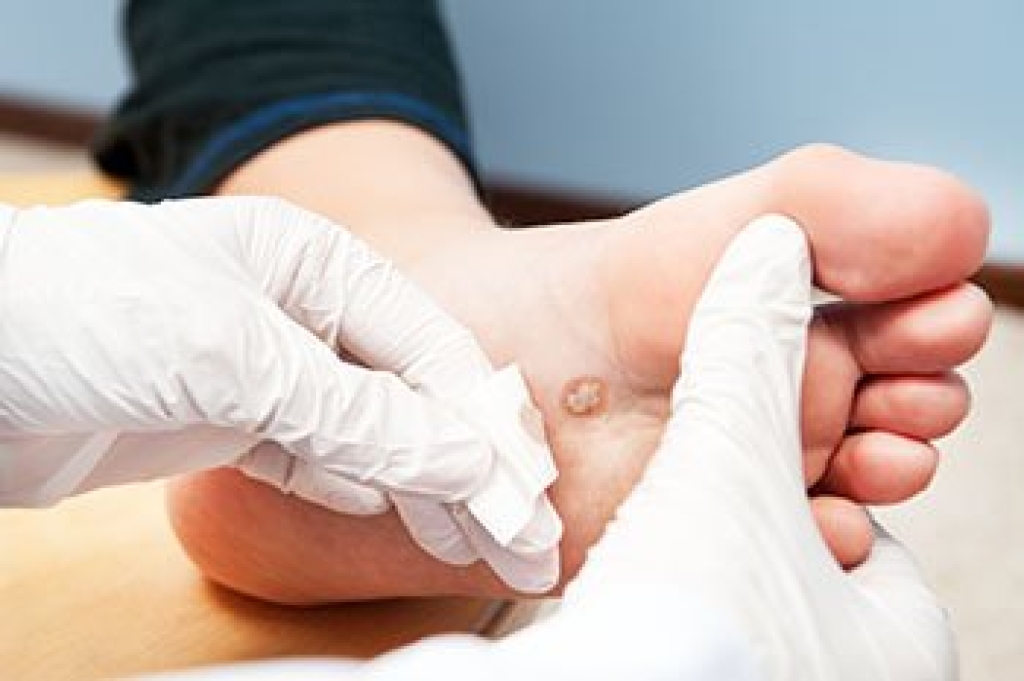
Painful Growth on Your Foot May Be a Plantar Wart

Plantar warts are small, rough growths that form on the bottom of the foot. They are caused by HPV, which stands for human papillomavirus. This virus can enter through tiny cuts or weak spots in the skin. These warts are frequently found on the heel or ball of the foot because those areas take the most pressure. That pressure can push the wart inward under thick, hardened skin. A plantar wart can look like a callus, but it can also have tiny black dots. These dots are small, clotted blood vessels, not seeds. Pain can occur when standing or when walking, especially if the wart is in a weight-bearing spot.

Plantar warts can spread on the same foot, and some people develop a cluster which are called mosaic warts. The virus grows well in warm, moist places like locker rooms, pool areas, and shared showers. Children, teenagers, and people with weaker immune systems are more likely to get them. A podiatrist can tell whether the growth is a wart, a corn, or another skin problem. This matters because different foot growths need different care. The podiatrist examines the skin lines, checks for tenderness, and looks for signs that the wart has grown inward. A clear diagnosis helps prevent delays in treatment.

Professional treatment focuses on removing the wart safely and reducing pain. A podiatrist can trim thick skin from the area, apply medicine in the office, or use freezing treatment. Some patients need repeated visits because plantar warts can be stubborn. Your podiatrist can also check whether the wart is changing your step and causing strain in other areas of the foot. This is important because pain can affect posture, balance, and daily activity. Patients with diabetes, poor feeling in the feet, or a weak immune system should seek care promptly. If you have developed a plantar wart, it is suggested that you schedule an appointment with a podiatrist for diagnosis and appropriate treatment.

Plantar warts can be very uncomfortable. If you need your feet checked, contact Joseph D. Ruffo, DPM, PC from New York. Our doctor will assist you with all of your foot and ankle needs.

About Plantar Warts

Plantar warts are the result of HPV, or human papillomavirus, getting into open wounds on the feet. They are mostly found on the heels or balls of the feet.

While plantar warts are generally harmless, those experiencing excessive pain or those suffering from diabetes or a compromised immune system require immediate medical care. Plantar warts are easily diagnosed, usually through scraping off a bit of rough skin or by getting a biopsy.

Symptoms

  • Lesions on the bottom of your feet, usually rough and grainy
  • Hard or thick callused spots
  • Wart seeds, which are small clotted blood vessels that look like little black spots
  • Pain, discomfort, or tenderness of your feet when walking or standing

Treatment

  • Freezing
  • Electric tool removal
  • Laser Treatment
  • Topical Creams (prescription only)
  • Over-the-counter medications

To help prevent developing plantar warts, avoid walking barefoot over abrasive surfaces that can cause cuts or wounds for HPV to get into. Avoiding direct contact with other warts, as well as not picking or rubbing existing warts, can help prevent the further spread of plantar warts. However, if you think you have developed plantar warts, speak to your podiatrist. He or she can diagnose the warts on your feet and recommend the appropriate treatment options.

If you have any questions, please feel free to contact one of our offices located in Sea Cliff and Babylon, NY . We offer the newest diagnostic and treatment technologies for all your foot care needs.

Read more about All About Plantar Warts

Broken Toe Diagnosis and Recovery

A broken toe occurs when one of the small bones in a toe fractures. This injury can happen after stubbing a toe, dropping a heavy object on the foot, or experiencing a sports-related accident. While some people assume a broken toe is a minor problem, it can cause significant discomfort and interfere with daily activities. Common broken toe symptoms include pain, swelling, bruising, tenderness, and difficulty walking. In some cases, the affected toe may appear crooked or out of alignment. Because these symptoms can also occur with a severe sprain, a professional evaluation is often needed to determine whether a toe fracture is present.


The severity of a broken toe can vary depending on the location and type of fracture. Some fractures involve a small crack in the bone, while others may cause the bone to shift out of place. A broken toe can make it difficult to wear shoes comfortably and may affect balance while walking. Without proper treatment, certain fractures may heal incorrectly, leading to ongoing pain, stiffness, or changes in toe position. Imaging studies such as X-rays are commonly used to confirm the diagnosis and evaluate the extent of the injury. Early diagnosis is important because it helps guide treatment decisions and supports proper healing.


A podiatrist is a foot and ankle specialist who can diagnose and treat broken toe injuries. During an examination, the podiatrist will assess symptoms, evaluate the alignment of the toe, and review imaging results to determine the most appropriate treatment plan. Depending on the severity of the fracture, treatment may involve immobilization, protective footwear, fracture management, or surgical care when necessary. Follow-up care is often important to ensure the bone heals correctly and normal foot function is restored. If you are experiencing toe pain, swelling, bruising, difficulty walking, or other signs of a broken toe, it is suggested that you consult a podiatrist for an evaluation and appropriate treatment options.

A broken toe can be very painful and lead to complications if not properly fixed. If you have any concerns about your feet, contact Joseph D. Ruffo, DPM, PC from New York. Our doctor will treat your foot and ankle needs.

What to Know About a Broken Toe

Although most people try to avoid foot trauma such as banging, stubbing, or dropping heavy objects on their feet, the unfortunate fact is that it is a common occurrence. Given the fact that toes are positioned in front of the feet, they typically sustain the brunt of such trauma. When trauma occurs to a toe, the result can be a painful break (fracture).

Symptoms of a Broken Toe

  • Throbbing pain
  • Swelling
  • Bruising on the skin and toenail
  • The inability to move the toe
  • Toe appears crooked or disfigured
  • Tingling or numbness in the toe

Generally, it is best to stay off of the injured toe with the affected foot elevated.

Severe toe fractures may be treated with a splint, cast, and in some cases, minor surgery. Due to its position and the pressure it endures with daily activity, future complications can occur if the big toe is not properly treated.

If you have any questions, please feel free to contact one of our offices located in Sea Cliff and Babylon, NY . We offer the newest diagnostic and treatment technologies for all your foot care needs.

Read more about What to Know About a Broken Toe

Heel Pain Can Be Treated!

Do you suffer from heel pain when you get up in the morning? If so, you should seek professional help and have a proper diagnosis performed. Heel pain can be caused by several different foot-related conditions.

Connect with us