review us
follow us
like us

Causes of Bruised Heels in Active Individuals

Heel pain is a common foot complaint that can affect people of all activity levels. One specific cause of heel pain is a bruised heel, also known as a heel contusion. This condition occurs when the fat pad under the heel becomes damaged due to repeated impact or a sudden force. The heel pad acts as a natural shock absorber, but excessive stress can lead to bleeding under the skin and tissue irritation. Understanding the source of heel pain is essential for preventing further injury and maintaining proper foot function.

Symptoms of a bruised heel include tenderness and discomfort while walking or standing. Patients may notice a red or purple bruise on the outside of the heel, which is a sign of bleeding beneath the skin surface. The area may feel sore to the touch and worsen with weight-bearing activity. Unlike other causes of heel pain, such as plantar fasciitis, a bruised heel is usually linked to direct impact and may feel more localized. Swelling and stiffness may also be present, making daily movement more difficult.


Several risk factors increase the likelihood of developing a bruised heel. Repetitive pounding on the foot, especially during running or jumping activities, places stress on the heel pad. Wearing loose-fitting shoes can reduce stability and allow the foot to shift, increasing impact forces. Jumping from a high spot and landing directly on the feet can cause immediate injury to the heel. Individuals with high-impact lifestyles or improper footwear choices are at greater risk for developing heel contusions and ongoing discomfort.


Proper care for heel pain includes rest, supportive footwear, and avoiding high-impact activities during recovery. Custom insoles can help reduce pressure on the heel and promote healing. Early evaluation by a podiatrist can confirm the diagnosis and rule out other conditions. Timely treatment helps prevent chronic pain and long-term damage. If you have bruised your heel, it is suggested that you consult a podiatrist for effective relief and treatment solutions.

Many people suffer from bouts of heel pain. For more information, contact Joseph D. Ruffo, DPM, PC of New York. Our doctor can provide the care you need to keep you pain-free and on your feet.

Causes of Heel Pain

Heel pain is often associated with plantar fasciitis. The plantar fascia is a band of tissues that extends along the bottom of the foot. A rip or tear in this ligament can cause inflammation of the tissue.

Achilles tendonitis is another cause of heel pain. Inflammation of the Achilles tendon will cause pain from fractures and muscle tearing. Lack of flexibility is also another symptom.

Heel spurs are another cause of pain. When the tissues of the plantar fascia undergo a great deal of stress, it can lead to ligament separation from the heel bone, causing heel spurs.

Why Might Heel Pain Occur?

  • Wearing ill-fitting shoes                
  • Wearing non-supportive shoes
  • Weight change           
  • Excessive running

Treatments

Heel pain should be treated as soon as possible for immediate results. Keeping your feet in a stress-free environment will help. If you suffer from Achilles tendonitis or plantar fasciitis, applying ice will reduce the swelling. Stretching before an exercise like running will help the muscles. Using all these tips will help make heel pain a condition of the past.

If you have any questions, please feel free to contact one of our offices located in Sea Cliff and Babylon, NY . We offer the newest diagnostic and treatment technologies for all your foot care needs.
Read more about Heel Pain

When Foot Blisters Need Professional Care

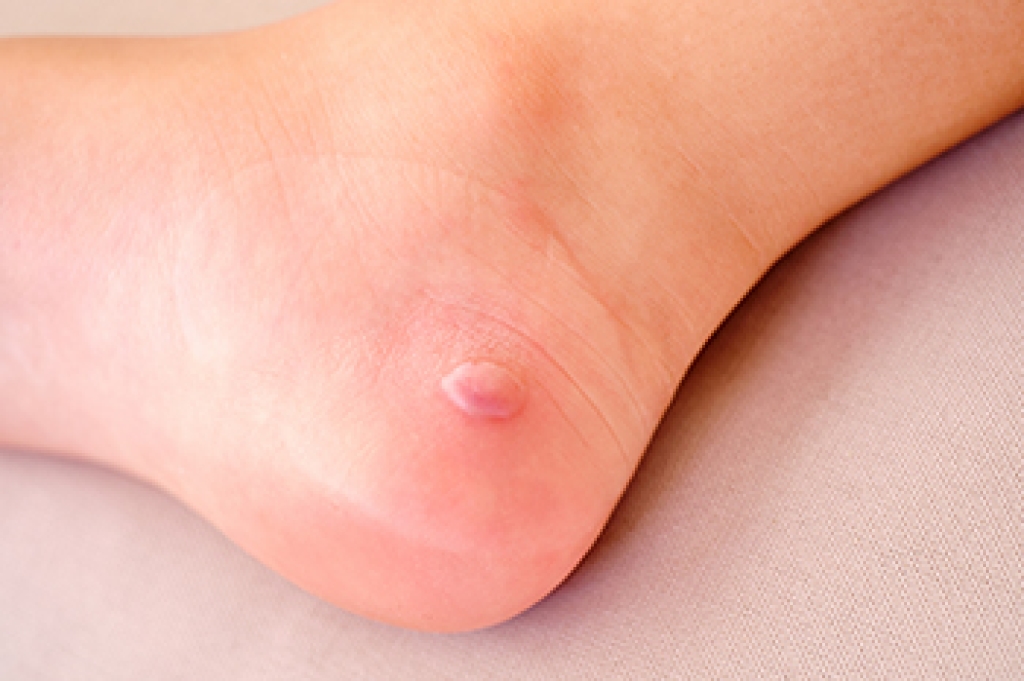
Blisters are small pockets of fluid that develop beneath the outer layer of the skin. They commonly form on the feet when repeated friction or pressure irritates the skin during walking, running, or other daily activities. Tight footwear, poorly fitting shoes, and prolonged physical activity are frequent causes of foot blisters. Most blisters contain clear fluid, although some may fill with blood if the injury affects deeper tissues. Symptoms often include pain, tenderness, and swelling around the affected area. Depending on the location, a blister can make standing or walking uncomfortable. Because other skin conditions may appear similar, a professional evaluation can help confirm the cause and determine the most appropriate treatment.


Although many blisters heal without complications, some can become more serious if the skin breaks or an infection develops. Warning signs may include increasing redness, warmth, or drainage from the blister. Pain that continues to worsen may also indicate a problem requiring medical attention. People with diabetes or poor circulation may face a greater risk of complications because their feet can heal more slowly. A thorough examination allows a podiatrist to evaluate the blister, identify any underlying concerns, and recommend treatment that supports healthy healing while helping prevent additional foot problems.


A podiatrist can diagnose the cause of foot blisters and provide treatment based on its severity. Professional care focuses on relieving discomfort, protecting the affected skin, and reducing the risk of infection or recurring irritation. If an underlying foot condition or abnormal walking pattern is contributing to repeated blisters, a podiatrist can also address those concerns. Early evaluation may help prevent more serious complications and support long-term foot health. If foot blisters are causing pain or interfering with your daily activities, it is suggested that you consult a podiatrist for an evaluation and appropriate treatment options.

Blisters may appear as a single bubble or in a cluster. They can cause a lot of pain and may be filled with pus, blood, or watery serum. If your feet are hurting, contact Joseph D. Ruffo, DPM, PC of New York. Our doctor can provide the care you need to keep you pain-free and on your feet.

Foot Blisters

Foot blisters are often the result of friction. This happens due to the constant rubbing from shoes, which can lead to pain.

What Are Foot Blisters?

A foot blister is a small fluid-filled pocket that forms on the upper-most layer of the skin. Blisters are filled with clear fluid and can lead to blood drainage or pus if the area becomes infected.

Symptoms

(Blister symptoms may vary depending on what is causing them)

  • Bubble of skin filled with fluid
  • Redness
  • Moderate to severe pain
  • Itching

Prevention & Treatment

In order to prevent blisters, you should be sure to wear comfortable shoes with socks that cushion your feet and absorb sweat. Breaking a blister open may increase your chances of developing an infection. However, if your blister breaks, you should wash the area with soap and water immediately and then apply a bandage to the affected area. If your blisters cause severe pain it is important that you call your podiatrist right away.

If you have any questions, please feel free to contact one of our offices located in Sea Cliff and Babylon, NY . We offer the newest diagnostic and treatment technologies for all your foot care needs.

Read more about Blisters on the Feet

Wounds That Don't Heal Need to Be Checked

Your feet are covered most of the day. If you're diabetic, periodic screening is important for good health. Numbness is often a sign of diabetic foot and can mask a sore or wound.

How Aging Changes Affects Foot Health

Young feet are springy, strong, and able to absorb shock. Their flexible joints, firm bones, and tendons help the body handle pressure. Aging changes these structures. Tendons lose some stretch, arches can flatten, and joints can become stiff. The padding under the heel and ball of the foot becomes thinner. As a result, standing or walking can feel less comfortable. Skin may become drier and easier to crack, while small injuries can take longer to heal. These changes can make feet less able to handle impact, pressure, and very hot or cold temperatures.

Age also affects muscle strength, circulation, and nail growth. Weaker foot and calf muscles can reduce balance and cause swelling around the feet or ankles. Bones can become thinner, which raises the risk of a fracture. Reduced blood flow can slow healing and make the feet feel cold. Toenails grow more slowly, become thicker, or turn brittle. Older adults are at increased risk of developing bunions, heel pain, and painful calluses. Arthritis, which is joint damage that causes pain and stiffness, can affect the ankle, big toe, or foot joints. These problems can change how a patient stands and walks, increasing strain in other areas.

A podiatrist can assess circulation, skin health, and the way the feet move. The podiatrist can care for thick toenails and calluses, provide padding or custom shoe inserts, and recommend footwear that provides proper support. Treatment can also reduce pressure on sore areas and address changes in foot shape. Regular visits are especially useful for patients with diabetes, poor circulation, or a history of foot wounds. Prompt care is important for swelling, numbness, or color changes. Sores that do not heal also need prompt care. If you have foot problems related to aging, it is suggested that you schedule an appointment with a podiatrist for a diagnosis and appropriate treatment.

If you need your feet checked, contact Joseph D. Ruffo, DPM, PC of New York. Our doctor will attend to all of your foot and ankle needs and provide you with quality treatment.

Geriatrics and Podiatry
When people age, some common issues that may occur are bone density loss, dry skin, poor circulation, and rough brittle nails. These issues may also affect your foot health if the necessary steps are not taken to alleviate the problems.

It is important to take care of your feet because feet that are injured or diseased can affect your overall health. Having painful feet hinders your ability to do daily activities or may decrease your willingness to do the things that you need to do.

Visiting Your Geriatrician
As we age, health problems become more likely, so it is essential to visit your doctor for check-ups to ensure that you are doing the best you can to take care of your health. It is recommended to check your feet frequently for any possible cuts, bruises, swelling, corns or any other irregularities. 

Taking Care of Elderly Feet
Cracked or dry feet can be treated by applying moisturizer often. It is also important not to wear old socks because the older the sock is, the higher the possibility there will be that there is bacteria there. Wear fresh socks and make sure they fit properly.

Proper foot health means that you can have a more active lifestyle and you will not be bogged down by pain. Foot health also leads to good circulation, which is paramount for overall health.

If you have any questions, please feel free to contact one of our offices located in Sea Cliff and Babylon, NY . We offer the newest diagnostic and treatment technologies for all your foot care needs.

Read more about Geriatrics and Podiatry
Connect with us