review us
follow us
like us

Swollen Big Toe Causes and Symptoms

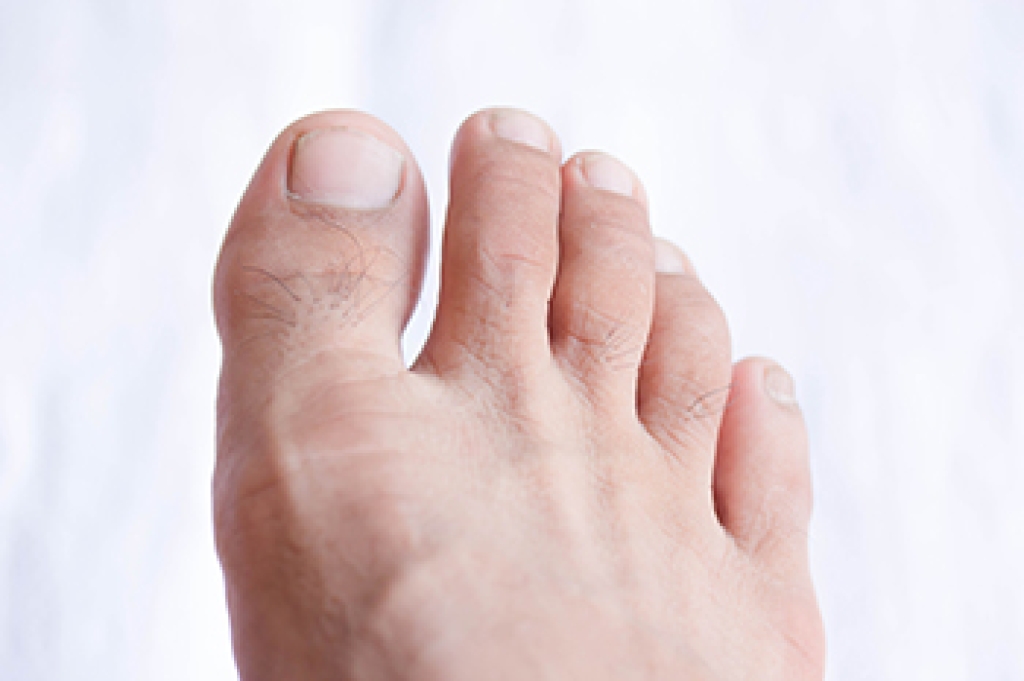
A swollen big toe can make walking uncomfortable and interfere with daily activities. The swelling may develop suddenly or gradually, depending on the cause. In some cases, the toe becomes red, warm, and painful. Other symptoms include stiffness, tenderness, or difficulty wearing shoes. Several conditions can lead to a swollen big toe, including gout, bunions, and arthritis. Gout is a type of arthritis caused by a buildup of uric acid crystals in a joint. Bunions are bony bumps that form near the base of the big toe. Arthritis causes joint inflammation and can limit movement. A podiatrist can identify the source of the swelling and determine the most appropriate treatment.

Because different conditions can create similar symptoms, a professional evaluation is important. Symptoms associated with a swollen big toe vary according to the underlying condition. Some patients experience sharp pain and redness. Others develop stiffness and reduced motion. A swollen toe caused by an injury can include bruising, tenderness, and difficulty putting weight on the foot. Additional signs include warmth around the joint. Some patients notice a visible bump near the side or top of the toe. A podiatrist performs a physical examination and reviews medical history. Diagnostic testing may include X-rays or other scans to help confirm the cause.

Treatment focuses on reducing pain, controlling inflammation, and improving function. A podiatrist may recommend medication for gout-related swelling or provide treatment for arthritis symptoms. Structural problems, such as bunions, can require custom treatment plans designed to reduce pressure on the joint. When an injury is responsible, a podiatrist can evaluate the severity of the damage and recommend appropriate care. Early diagnosis helps prevent additional joint problems and can improve comfort while walking. If your big toe is swollen and painful, it is suggested that you schedule an appointment with a podiatrist for an accurate diagnosis and effective treatment solutions.

Toe pain can disrupt your daily activities. If you have any concerns, contact Joseph D. Ruffo, DPM, PC of New York. Our doctor can provide the care you need to keep you pain-free and on your feet.

What Causes Toe Pain?

Most severe toe pain is caused due to a sports injury, trauma from dropping something heavy on the toe, or bumping into something rigid. Other problems can develop over time for various reasons.

Toe pain can be caused by one or more ailments. The most common include:

  • Trauma
  • Sports injury
  • Wearing shoes that are too tight
  • Arthritis
  • Gout
  • Corns and calluses
  • Hammertoe
  • Bunions
  • Blisters
  • Ingrown toenails
  • Sprains
  • Fractures (broken bones)
  • Dislocations

When to See a Podiatrist

  • Severe pain
  • Persistent pain that lasts more than a week
  • Signs of infection
  • Continued swelling
  • Pain that prevents walking

Diagnosis

In many cases the cause of toe pain is obvious, but in others, a podiatrist may want to use more advanced methods to determine the problem. These can range from simple visual inspections and sensation tests to X-rays and MRI scans. Prior medical history, family medical history, and any recent physical traumatic events will all be taken into consideration for a proper diagnosis.

Treatment

Treatments for toe pain and injuries vary and may include shoe inserts, padding, taping, medicines, injections, and in some cases, surgery. If you believe that you have broken a toe, please see a podiatrist as soon as possible.

If you have any questions please contact one of our offices located in Sea Cliff and Babylon, NY . We offer the newest diagnostic and treatment technologies for all your foot and ankle needs.

Read more about Toe Pain

Management of Scar Tissue Pain in the Feet

Scar tissue can form in the feet after an injury, surgery, or repeated stress. While it is a normal part of healing, it may not be as flexible as healthy tissue. This can lead to tightness, discomfort, or pain with movement and walking. Some people notice a pulling feeling, sensitivity, or pain when pressure is applied to the area. Over time, scar tissue can limit motion and affect how the foot functions. Wearing supportive shoes, stretching, and gentle massage may help improve flexibility and reduce discomfort. Custom orthotics or padding can also relieve pressure on sensitive areas. Early care can help prevent long-term issues and improve comfort. If pain continues, worsens, or interferes with daily activity, it is suggested you schedule an appointment with a podiatrist for appropriate care.

Foot Pain

Foot pain can be extremely painful and debilitating. If you have a foot pain, consult with Joseph D. Ruffo, DPM, PC from New York. Our doctor will assess your condition and provide you with quality foot and ankle treatment.

Causes

Foot pain is a very broad condition that could be caused by one or more ailments. The most common include:

  • Bunions
  • Hammertoes
  • Plantar Fasciitis
  • Bone Spurs
  • Corns
  • Tarsal Tunnel Syndrome
  • Ingrown Toenails
  • Arthritis (such as Gout, Rheumatoid, and Osteoarthritis)
  • Flat Feet
  • Injury (from stress fractures, broken toe, foot, ankle, Achilles tendon ruptures, and sprains)
  • And more

Diagnosis

To figure out the cause of foot pain, podiatrists utilize several different methods. This can range from simple visual inspections and sensation tests to X-rays and MRI scans. Prior medical history, family medical history, and any recent physical traumatic events will all be taken into consideration for a proper diagnosis.

Treatment

Treatment depends upon the cause of the foot pain. Whether it is resting, staying off the foot, or having surgery; podiatrists have a number of treatment options available for foot pain.

If you have any questions, please feel free to contact one of our offices located in Sea Cliff and Babylon, NY . We offer the newest diagnostic and treatment technologies for all your foot care needs.

Read more about Foot Pain

Causes and Treatment of Athlete’s Foot

Athlete’s foot is a common fungal infection that affects the skin on the feet, especially between the toes. Fungus grows well in warm, moist places, which is why athlete’s foot is common in people who wear tight shoes or sweaty socks for long periods. Walking barefoot in public showers, locker rooms, and pool areas also increases the risk of getting this infection. Athlete’s foot spreads easily from one person to another through contaminated floors, towels, and shoes. Signs of athlete’s foot include itching, burning, peeling skin, and redness. Some people notice cracked skin that becomes painful while walking. Others develop dry, flaky skin or small blisters that can sting and itch.

The infection can spread to the soles of the feet and toenails when it is not treated promptly. A podiatrist can diagnose athlete’s foot by examining the skin and checking the affected areas carefully. Treatment often includes prescription antifungal creams, powders, or oral medicine for more serious infections. Patients are usually advised to keep their feet clean and dry each day. Wearing breathable shoes and changing socks regularly can also help stop the fungus from growing. A podiatrist may remove damaged skin safely and recommend footwear that reduces moisture around the feet.

People with diabetes or poor circulation should seek treatment quickly because fungal infections can lead to skin sores and other foot problems. Ignoring athlete’s foot can allow the infection to worsen and spread to other parts of the foot. Early treatment can reduce discomfort and help the skin heal faster. If you have signs of an athlete's foot infection, it is suggested that you make an appointment with a podiatrist for an exam and treatment options.

Athlete’s Foot

Athlete’s foot is often an uncomfortable condition to experience. Thankfully, podiatrists specialize in treating athlete’s foot and offer the best treatment options. If you have any questions about athlete’s foot, consult with Joseph D. Ruffo, DPM, PC from New York. Our doctor will assess your condition and provide you with quality treatment.

What Is Athlete’s Foot?

Tinea pedis, more commonly known as athlete’s foot, is a non-serious and common fungal infection of the foot. Athlete’s foot is contagious and can be contracted by touching someone who has it or infected surfaces. The most common places contaminated by it are public showers, locker rooms, and swimming pools. Once contracted, it grows on feet that are left inside moist, dark, and warm shoes and socks.

Prevention

The most effective ways to prevent athlete’s foot include:

  • Thoroughly washing and drying feet
  • Avoid going barefoot in locker rooms and public showers
  • Using shower shoes in public showers
  • Wearing socks that allow the feet to breathe
  • Changing socks and shoes frequently if you sweat a lot

Symptoms

Athlete’s foot initially occurs as a rash between the toes. However, if left undiagnosed, it can spread to the sides and bottom of the feet, toenails, and if touched by hand, the hands themselves. Symptoms include:

  • Redness
  • Burning
  • Itching
  • Scaly and peeling skin

Diagnosis and Treatment

Diagnosis is quick and easy. Skin samples will be taken and either viewed under a microscope or sent to a lab for testing. Sometimes, a podiatrist can diagnose it based on simply looking at it. Once confirmed, treatment options include oral and topical antifungal medications.

If you have any questions, please feel free to contact one of our offices located in Sea Cliff and Babylon, NY . We offer the newest diagnostic and treatment technologies for all your foot care needs.

Read more about Athlete's Foot

Gout Pain in the Foot

Gout is a form of inflammatory arthritis that often affects the foot, especially the joint at the base of the big toe. It develops when uric acid builds up in the body and forms sharp crystals within the joint. This can lead to sudden and severe pain, along with redness, swelling, and stiffness. Many people notice that attacks begin quickly, often at night, and can make even light pressure feel unbearable. Risk factors include diet, genetics, certain medications, and underlying health conditions. During gout flare-ups, the joint may appear swollen and warm, and movement can become limited. A podiatrist can diagnose gout through examination and testing, then provide treatment to reduce inflammation and protect joint health. Gout can be painful and may cause difficulty in completing daily activities. If this applies to you, it is suggested that you seek care from a podiatrist who can help you to manage this painful condition. 

Gout is a foot condition that requires certain treatment and care. If you are seeking treatment, contact Joseph D. Ruffo, DPM, PC from New York. Our doctor will treat your foot and ankle needs.

What Is Gout?

Gout is a type of arthritis caused by a buildup of uric acid in the bloodstream. It often develops in the foot, especially the big toe area, although it can manifest in other parts of the body as well. Gout can make walking and standing very painful and is especially common in diabetics and the obese.

People typically get gout because of a poor diet. Genetic predisposition is also a factor. The children of parents who have had gout frequently have a chance of developing it themselves.

Gout can easily be identified by redness and inflammation of the big toe and the surrounding areas of the foot. Other symptoms include extreme fatigue, joint pain, and running high fevers. Sometimes corticosteroid drugs can be prescribed to treat gout, but the best way to combat this disease is to get more exercise and eat a better diet.

If you have any questions, please feel free to contact one of our offices located in Sea Cliff and Babylon, NY . We offer the newest diagnostic and treatment technologies for all your foot care needs.

Read more about Gout

Reminder: When Was the Last Time...?

Custom orthotics, or shoe inserts, should be periodically replaced. Orthotics must fit properly to give you the best results. Protect your feet and ankles!

Connect with us