review us
follow us
like us

Facts About Cracked Heels

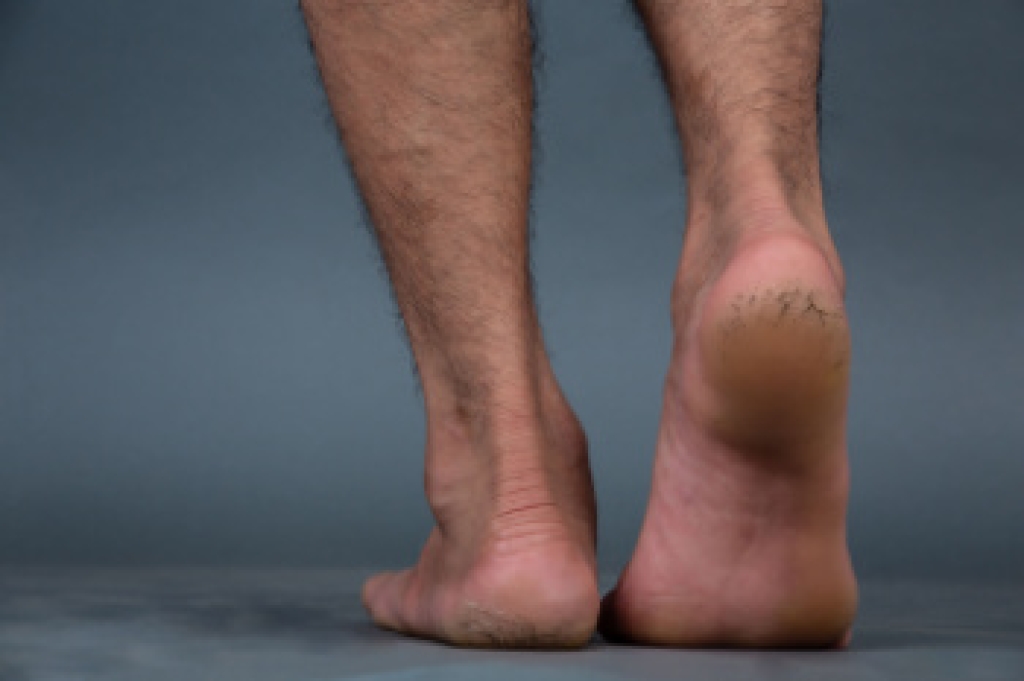
Cracked heels, also known as heel fissures, occur when the skin on the heel becomes dry, thick, and splits under pressure. The heel supports body weight during standing and walking, which makes it more prone to stress and skin breakdown. When the skin loses moisture and elasticity, it can no longer stretch properly, leading to visible cracks. While mild cases may only affect the surface, more severe fissures can deepen and cause discomfort or complications if not treated.

Symptoms of cracked heels include dry, rough skin around the heel, visible splitting, and a hardened or callused surface. In more advanced cases, the cracks may become painful, especially when walking or standing for long periods. Deep fissures can bleed and may expose underlying tissue, increasing sensitivity. If the condition worsens, the open cracks can allow bacteria to enter, raising the risk of infection. Redness, swelling, or drainage may indicate that medical attention is needed.


The primary causes of cracked heels include dry skin, which can result from environmental factors or lack of proper hydration. Walking barefoot can increase pressure on the heel and contribute to skin thickening and splitting. Wearing shoes that do not provide proper support or cushioning can also place added stress on the heel. Standing for extended periods of time and exposure to harsh conditions can further reduce skin flexibility and lead to fissure formation.


Risk factors for cracked heels include aging, obesity, and medical conditions such as diabetes or thyroid disorders that affect skin health. Poor foot hygiene and lack of regular moisturizing can also increase the likelihood of developing heel fissures. Maintaining proper foot care, including hydration and wearing supportive footwear, can help prevent this condition. Early care is important to avoid complications and improve comfort. If you have cracked heels, it is suggested that you consult a podiatrist for effective relief and treatment solutions, which may include prescribed medication. 

Cracked heels are unsightly and can cause further damage to your shoes and feet. If you have any concerns, contact Joseph D. Ruffo, DPM, PC from New York. Our doctor can provide the care you need to keep you pain-free and on your feet.

Cracked Heels

Cracked heels appear unappealing and can make it harder for you walk around in sandals. Aside from looking unpleasant, cracked heels can also tear stockings, socks, and wear out your shoes. There are several methods to help restore a cracked heel and prevent further damage.

How Do You Get Them?

Dry skin is the number one culprit in creating cracked heels. Many athletes, walkers, joggers, and even swimmers suffer from cracked heels. Age and skin oil production play a role to getting cracked heels as well.

Promote Healing

Over the counter medicines can help, especially for those that need instant relief or who suffer from chronic dry feet.

Wear Socks – Wearing socks with medicated creams helps lock in moisture.

Moisturizers – Applying both day and night will help alleviate dryness which causes cracking.

Pumice Stones – These exfoliate and remove dead skin, which allows for smoother moisturizer application and better absorption into the skin. 

Change in Diet

Eating healthy with a well-balanced diet will give the skin a fresh and radiant look. Your body responds to the kinds of food you ingest. Omega-3 fatty acids and zinc supplements can also revitalize skin tissue.

Most importantly, seek professional help if unsure how to proceed in treating cracked heels. A podiatrist will help you with any questions or information needed. 

If you have any questions, please feel free to contact one of our offices located in Sea Cliff and Babylon, NY . We offer the newest diagnostic and treatment technologies for all your foot care needs.

Read more about Solutions for Cracked Heels

It's Time for Beautiful Feet

You don't need an excuse to have beautiful nails. Step outside without worrying about the appearance of your feet.

Causes of Toenail Fungal Infections

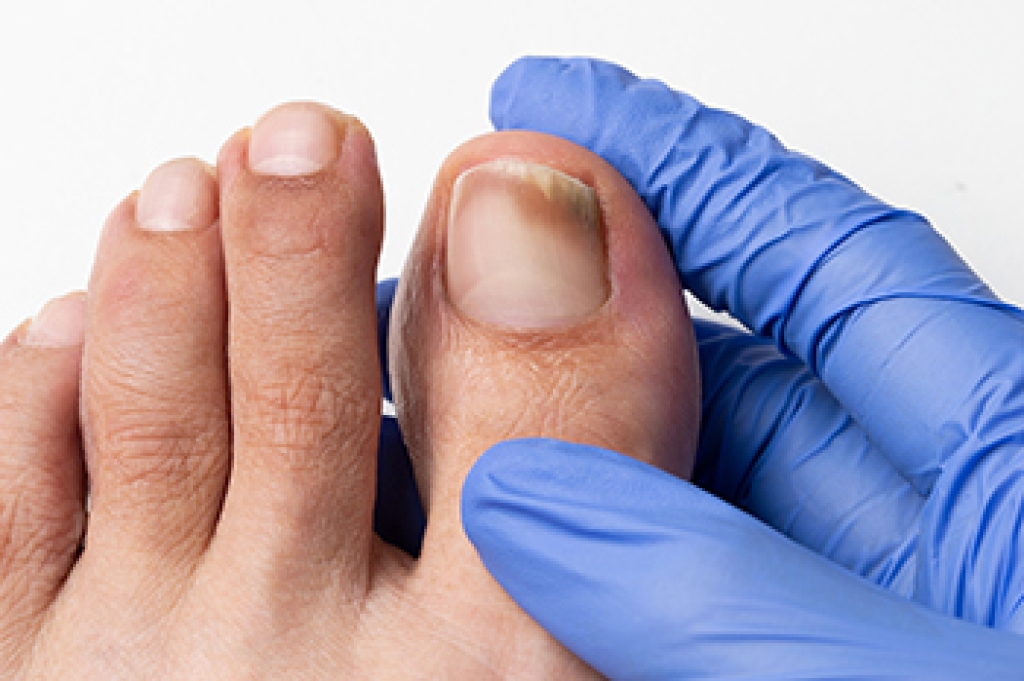
A toenail fungal infection, also known as onychomycosis, is a common condition that affects the nails and surrounding tissue. It occurs when fungi enter the nail through small cracks or injuries and begin to grow in warm, moist environments. This condition often develops gradually and may go unnoticed in early stages. Over time, it can affect the appearance and strength of the nail. Understanding how fungal infections form helps individuals take early steps to protect nail health and prevent long term complications.

Symptoms of a toenail fungal infection often include thickened nails that may become difficult to trim. Discoloration is common, with nails appearing yellow, brown, or white. The nail may also become brittle or crumbly, leading to uneven edges or separation from the nail bed. Some individuals notice an unpleasant odor coming from the affected area. As the infection progresses, discomfort may develop, especially when wearing shoes or applying pressure to the toe.


Several causes contribute to the development of toenail fungus. Age is a significant factor, as nail growth slows and circulation may decrease over time. Gender can also play a role, with men often experiencing higher rates of infection. Toe injuries create openings that allow fungi to enter and spread. A weakened immune system reduces the body ability to fight infection, increasing susceptibility. Additionally, warm and damp environments, such as sweaty shoes or public locker rooms, further encourage fungal growth.


Risk factors include poor foot hygiene, prolonged moisture exposure, and underlying health conditions. Individuals who frequently use communal showers or swimming areas may face increased exposure to fungi. Preventive measures include keeping feet clean and dry, wearing breathable shoes, and trimming nails properly. Early treatment can improve outcomes and prevent spread to other nails. If you have symptoms of toenail fungus, it is suggested that you consult a podiatrist for effective treatment solutions, which may include prescribed medication.

If left untreated, toenail fungus may spread to other toenails, skin, or even fingernails. If you suspect you have toenail fungus it is important to seek treatment right away. For more information about treatment, contact Joseph D. Ruffo, DPM, PC of New York. Our doctor can provide the care you need to keep you pain-free and on your feet.

Symptoms

  • Warped or oddly shaped nails
  • Yellowish nails
  • Loose/separated nail
  • Buildup of bits and pieces of nail fragments under the nail
  • Brittle, broken, thickened nail

Treatment

If self-care strategies and over-the-counter medications does not help your fungus, your podiatrist may give you a prescription drug instead. Even if you find relief from your toenail fungus symptoms, you may experience a repeat infection in the future.

Prevention

In order to prevent getting toenail fungus in the future, you should always make sure to wash your feet with soap and water. After washing, it is important to dry your feet thoroughly especially in between the toes. When trimming your toenails, be sure to trim straight across instead of in a rounded shape. It is crucial not to cover up discolored nails with nail polish because that will prevent your nail from being able to “breathe”.

In some cases, surgical procedure may be needed to remove the toenail fungus. Consult with your podiatrist about the best treatment options for your case of toenail fungus.  

If you have any questions please contact one of our offices located in Sea Cliff and Babylon, NY . We offer the newest diagnostic and treatment technologies for all your foot and ankle needs.

Read more about How to Treat Your Toenail Fungus
Connect with us